The Return to Human Health
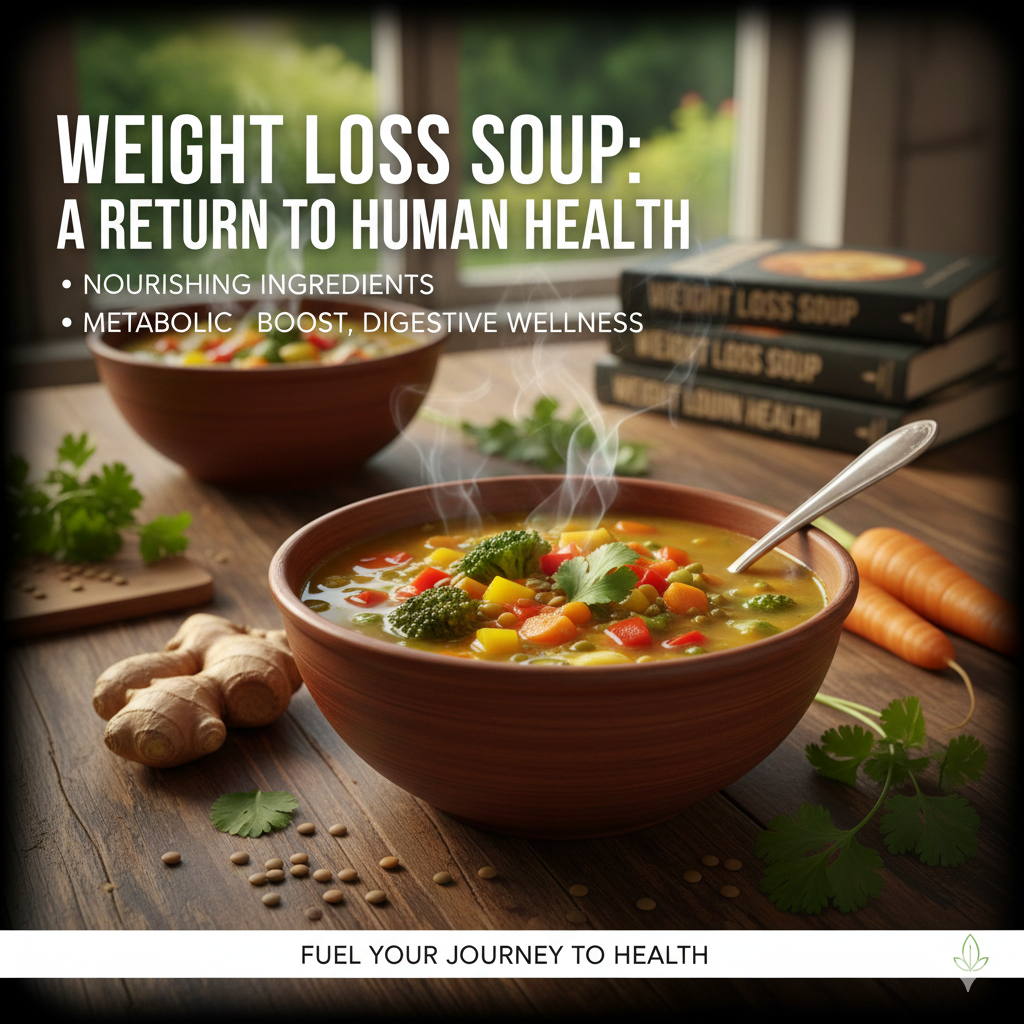
FINAL MANUSCRIPT BUILD
What Starts Here Changes The World
SECTION 1
Weight Loss Soup
The Return to Human Health
A Simple Whole-Food Method to Reset Your Metabolism and Reclaim Your Life
By
Anonymous
⸻
Copyright Page
Copyright © 2026
Written by Anonymous with AI Assistance
All Rights Reserved
No part of this book may be reproduced, stored in a retrieval system, or transmitted in any form or by any means—electronic, mechanical, photocopying, recording, or otherwise—without prior written permission of the author, except for brief quotations used in reviews or educational commentary.
This book is independently produced and represents the ideas, experiences, and conclusions of the author.
First Edition
Printed in the United States of America
⸻
Author Bio
About the Author
The author of Weight Loss Soup writes anonymously, choosing to focus attention on the message rather than personal recognition. At 57 years old, with decades of life experience, daily discipline, and personal exploration in health and nutrition, the author created this book as a practical guide for real-world transformation.
The concept of Weight Loss Soup began many years ago when the domain WeightLossSoup.com was secured—long before its full purpose became clear. Over time, through observation, experimentation, and lived experience, the idea evolved into what is now a comprehensive lifestyle system and movement focused on restoring health through simple, sustainable habits.
Throughout life, the author has explored multiple approaches to nutrition, including periods of being vegan, vegetarian, and now following a balanced whole-food–focused lifestyle. While striving to eat clean, nutrient-dense foods, the author openly acknowledges that perfection is not the goal. Like many people, there are moments of indulging in less-than-ideal foods—especially those familiar from earlier years—but the foundation remains consistency, awareness, and discipline.
Daily movement and physical fitness are central to the author’s routine. Working out regularly and maintaining an active lifestyle has been a cornerstone of staying lean, energized, and resilient over the years. This commitment to action—not theory—is what shaped the practical structure found throughout this book.
Weight Loss Soup was written not as a quick-fix diet, but as a lifelong framework built on honesty, observation, and personal responsibility.
The author believes that true transformation happens through daily choices repeated over time.
This book also represents the beginning of a larger mission. WeightLossSoup.com is designed to serve as a central hub for education, tools, and carefully selected products aligned with the philosophy of health, simplicity, and sustainability. In its early stages, the platform may introduce readers to trusted third-party products that meet these standards. In time, it will expand to include original products, resources, and solutions developed directly from the Weight Loss Soup movement.
The long-term vision is simple but powerful:
To help individuals take control of their health, simplify their choices, and build sustainable habits that last a lifetime.
The author continues to live by the same principles taught in this book—learning, adapting, and striving for better health each day—while encouraging others to do the same.
Legal Disclaimer
The information contained in this book is intended for educational and informational purposes only.
The author is not a physician, registered dietitian, or licensed healthcare provider. The material in this book reflects the author’s personal opinions, research, life experiences, and conclusions, developed in collaboration with artificial intelligence tools used to help organize and communicate information.
This book does not provide medical advice and should not be used as a substitute for professional medical guidance, diagnosis, or treatment.
Always consult a qualified healthcare professional before making changes to your diet, exercise routine, or lifestyle—especially if you have an existing medical condition, are pregnant, nursing, taking medication, or have concerns about your health.
The strategies discussed in this book may affect individuals differently. Results may vary depending on genetics, lifestyle, health history, and other factors.
By reading this book and applying any of its suggestions, you accept full responsibility for your own health decisions. The author and publisher disclaim any liability for any adverse effects or consequences that may result from the use or application of the information contained within this book.
⸻
Life-Changing One-Page Summary
If You Only Read One Page in This Book, Read This
Your body is being poisoned! By You.
The poisons are
- Sugars
- Fake sugar or chemical sugar
- Processed foods
- Chemicals in processed foods
- Chemicals spayed on our produce
- Prescription drugs and drugs and alcohol
- Over counter remedies
- Oils
Most foods in the grocery store are foods made with chemicals or have many different chemicals in them.
For many people, weight gain feels like a personal failure.
But the truth is very different.
Weight gain, fatigue, cravings, brain fog, and inflammation are not signs of weakness or lack of willpower. They are signals from the body. Long before disease appears, the body begins sending messages that something in the environment—our food, our stress, our sleep, our habits—is out of balance.
Modern life has created conditions the human body was never designed for: constant access to ultra-processed food, constant stress, constant stimulation, and almost no time for the body to rest, repair, and reset.
Your body is being poisoned. By You!
Over time, this environment disrupts metabolism.
Blood sugar rises and falls unpredictably.
Insulin signaling becomes inefficient.
Inflammation slowly increases.
Energy production becomes unstable.
The body responds in the only way it can: it protects itself from the poison.
It stores more energy as fat.
It increases hunger signals.
It slows metabolism to conserve energy.
This is not the body failing.
This is the body trying to survive.
The purpose of this book is to help you work with your biology instead of fighting it.
The approach presented here is simple, sustainable, and grounded in Organic whole foods and common-sense lifestyle habits that humans have relied on for generations.
At the center of this method is a powerful but humble food: Soup!
Whole-food soups—rich in vegetables, fiber, minerals, water, and balanced nutrients—create a metabolic environment that supports satiety, stabilizes blood sugar, and nourishes the body without overwhelming it.
When combined with proper hydration, restorative sleep, stress management, and daily movement, the body begins to shift.
Cravings decrease.
Energy stabilizes.
Inflammation reduces.
Weight begins to normalize.
Not through punishment or restriction.
But through alignment with human biology.
This book will guide you through three essential phases of restoring metabolic health:
Stabilize
Calm blood sugar fluctuations, reduce inflammation, and quiet constant hunger.
Restore
Repair metabolic signaling, support gut health, and rebuild natural energy regulation.
Sustain
Develop lifelong habits that allow the body to maintain balance naturally.
This is not a temporary diet.
This is a Return to Human Health.
If you apply the principles in this book with patience and consistency, you may discover something remarkable:
Your body already knows how to heal.
It simply needs the right conditions.
⸻
Your Commitment to Lifelong Health
Today is a turning point.
Not because a book magically changes a life—but because a decision does.
Your body has been communicating with you for years through signals like hunger, fatigue, cravings, mood changes, and weight fluctuations. These signals are not enemies. They are feedback from an incredibly intelligent biological system trying to maintain balance.
When you commit to improving your health, you are not fighting your body.
You are partnering with it.😃
This journey does not require perfection. It requires awareness, consistency, and patience.
The principles in this book are simple:
Choose whole foods over processed foods whenever possible.
Allow the body time to rest and digest between meals.
Move the body regularly in ways that support strength and mobility.
Protect sleep as one of the most powerful tools for metabolic health.
Reduce chronic stress where possible and cultivate calm.
Small actions repeated daily create profound long-term change.
Health is not built in a single meal or lost in a single mistake. It is shaped by patterns.
The goal is not to create strict rules.
The goal is to build sustainable habits that support energy, clarity, resilience, and longevity.
As you move through this book, remember that every improvement—no matter how small—is progress.
Drink water instead of soda.
Eat vegetables instead of processed snacks.
Go for a walk instead of sitting all evening.
Prepare a nourishing soup instead of fast food.
These choices accumulate.
Over time, the body responds.
Energy improves.
Weight begins to normalize.
Mental clarity returns.
Health markers often improve.
The most important step is simply to begin.
⸻
Table of Contents
Introduction — Welcome to the Weight Loss Soup Movement
Chapter 1 — Understanding Weight Gain, Disease, and Healing: One Metabolic Story
Chapter 2 — Why Modern Life Makes Us Gain Weight—and How the Body Tries to Protect Us
Chapter 3 — The Science of Metabolic Health: Insulin, Inflammation, and Energy Regulation
Chapter 4 — Why Soup Works When Diets Fail
Chapter 5 — Whole Foods for Every Body
Chapter 6 — The Community of Health
Chapter 7 — Cravings, Emotional Eating, and the Brain
Chapter 8 — Sleep, Stress, and Hormonal Balance
Chapter 9 — Movement, Strength, and Metabolic Flexibility
Chapter 10 — Intermittent Fasting and Metabolic Timing
Chapter 11 — Stories of Transformation
Chapter 12 — Overcoming Weight-Loss Plateaus
Chapter 13 — Mindset and Motivation
Chapter 14 — Tracking Progress Without Obsession
Chapter 15 — Hydration, Gut Health, and Detoxification
Chapter 16 — Practical Recipes and Daily Structures
Chapter 17 — Mastery: Living This for Life
⸻
Introduction
Welcome to:
The Weight Loss Soup Movement
For decades, the conversation around weight loss has been dominated by one idea: eat less and exercise more.
While this advice sounds simple, it has not solved the global health crisis. In fact, obesity, metabolic disease, and chronic illness have continued to rise across much of the world.
Something about the way we understand weight and metabolism is incomplete.
Many people have followed strict diets, counted calories, and exercised intensely, yet still struggle with stubborn weight gain, fatigue, and persistent cravings. When these efforts fail, individuals often blame themselves.
But the problem may not be personal discipline.
The problem may be the environment modern humans are living in.
Highly processed foods engineered for convenience and taste are now widely available. Meals are often eaten quickly, under stress, or while distracted. Sleep is frequently shortened. Daily movement has been replaced by long periods of sitting.
These changes create a biological environment that disrupts the body’s natural regulatory systems.
The human body evolved to thrive on whole foods, periods of rest between meals, physical activity, and natural rhythms of light and darkness.
When those conditions are disrupted, metabolism adapts in ways that often lead to weight gain and metabolic imbalance.
The purpose of this book is not to shame modern life.
It is to Restore Balance Within it.
Through the chapters ahead, we will explore how metabolism works, why certain foods and habits support health better than others, and how simple changes—especially incorporating nourishing soups and whole foods—can help restore the body’s natural balance.
This is not a quick fix.
It is a long-term approach to health rooted in biology, common sense, and sustainable habits.
The goal is not just weight loss.
The goal is Metabolic Health, Energy,Clarity, and Longevity.
Welcome to the beginning of that journey.
⸻
Chapter 1
Understanding Weight Gain, Disease, and Healing: One Metabolic Story
For many years, weight gain has been treated as a separate problem from other health conditions. People talk about obesity as if it were simply a matter of appearance or self-discipline. Meanwhile, diseases such as type 2 diabetes, heart disease, fatty liver disease, and metabolic syndrome are treated as completely different medical issues.
But when we look more closely at human biology, a different picture begins to emerge.
These conditions are not isolated problems. They are different expressions of the same underlying metabolic imbalance.
Weight gain, insulin resistance, inflammation, and energy dysregulation are all connected. They exist on a spectrum that develops gradually over time, often beginning years—or even decades—before a formal diagnosis is made.
Understanding this connection changes everything.
Instead of blaming ourselves for gaining weight, we begin to recognize the deeper story the body is trying to tell.
⸻
The Body’s Energy System
At its core, metabolism is the process by which the body converts food into usable energy. Every cell in the body depends on this process to survive.
When we eat, the body breaks down food into nutrients such as glucose, fatty acids, amino acids, vitamins, and minerals. These nutrients enter the bloodstream and are delivered to cells, where they are used to create energy or stored for later use.
This system is carefully regulated by hormones, enzymes, and signaling pathways.
One of the most important hormones involved in this process is insulin.
Insulin helps move glucose from the bloodstream into cells so it can be used for energy. When insulin functions properly, blood sugar remains stable, energy is steady, and the body can shift between burning carbohydrates and burning fat.
But when the system becomes overwhelmed—often through years of excessive refined carbohydrates, processed foods, and constant eating—cells can become less responsive to insulin.
This condition is known as insulin resistance.
⸻
The Beginning of Metabolic Imbalance
When insulin resistance begins to develop, the body compensates by producing more insulin in an attempt to keep blood sugar under control.
At first, this works.
But over time, chronically elevated insulin levels create several effects:
The body becomes more likely to store energy as fat rather than burn it.
Hunger signals may increase.
Fatigue can become more common.
Cravings for sugar and refined carbohydrates often intensify.
These changes are not signs of weakness. They are the body adapting to a metabolic environment that has become difficult to regulate.
Eventually, if the imbalance continues long enough, more serious conditions may appear, including:
• Type 2 diabetes
• Fatty liver disease
• Cardiovascular disease
• Chronic inflammation
• Hormonal disruptions
What begins as subtle metabolic stress can slowly grow into widespread health problems.
But here is the important part:
This Process Is Often Reversible.
⸻
Weight Gain as a Protective Response
One of the most misunderstood aspects of metabolism is the role of body fat.
Fat is often viewed as the enemy. In reality, body fat plays several essential roles in human biology.
Fat tissue stores energy for times when food is scarce. It helps regulate hormones. It protects organs and helps maintain body temperature.
When the body senses that energy regulation is unstable—such as when blood sugar fluctuates wildly—it may increase fat storage as a protective measure.
In other words, weight gain is sometimes the body’s way of stabilizing an unstable metabolic system.
This does not mean excess weight is harmless. But it does mean that blaming the body is not productive.
The body is responding to signals.
Change the signals, and the body often changes its behavior.
⸻
The Role of Inflammation
Another important factor in metabolic health is inflammation.
Inflammation is a natural part of the immune system. It helps the body fight infection and repair injury. In short bursts, inflammation is beneficial.
However, when inflammation becomes chronic, it can interfere with many biological processes.
Highly processed foods, excessive sugar, poor sleep, chronic stress, and lack of physical activity can all contribute to low-grade chronic inflammation.
Over time, this type of inflammation can disrupt insulin signaling, damage blood vessels, and contribute to metabolic disease.
Reducing inflammation is therefore a key step in restoring metabolic balance.
This is where nutrition plays a powerful role.
Whole foods—especially vegetables, legumes, herbs, and healthy fats—contain fiber, antioxidants, and micronutrients that help support the body’s natural anti-inflammatory systems.
Soups built from these ingredients can deliver these nutrients in a form that is easy to digest and highly nourishing.
⸻
The Power of Nutrient Density
Another major issue in modern diets is nutrient dilution.
Many highly processed foods contain large amounts of calories but very few essential nutrients. This combination can leave the body in a strange position: receiving plenty of energy but still lacking important vitamins, minerals, and fiber.
When the body senses that nutrients are missing, hunger signals may remain elevated even after a meal.
This can lead to a cycle of overeating while still feeling unsatisfied.
Whole foods break this cycle by providing both energy and nutrients.
Vegetables, legumes, nuts, seeds, fruits, and quality proteins contain the vitamins, minerals, and fiber that support proper metabolic signaling.
Soups that combine these ingredients can provide high nutrient density with natural satiety.
People often feel satisfied without needing excessive portion sizes.
⸻
Healing Through Metabolic Support
The encouraging news is that metabolism is highly adaptable.
The human body has remarkable capacity to repair itself when given supportive conditions.
When people begin eating more whole foods, stabilizing meal patterns, improving sleep, managing stress, and moving their bodies regularly, several changes often occur:
Blood sugar becomes more stable.
Insulin sensitivity can improve.
Inflammation may decrease.
Energy production becomes more efficient.
Appetite regulation becomes easier.
Over time, weight often begins to normalize as the metabolic environment improves.
This is why the goal of this book is not simply weight loss.
The real goal is Metabolic Restoration.
Weight loss often becomes a natural side effect of restoring balance.
⸻
A New Perspective on Health
When we understand metabolism as a system rather than a single number on a scale, our relationship with health begins to change.
Instead of asking, “How can I lose weight as quickly as possible?” we begin asking a different question:
“How can I support my body so that it naturally returns to balance?”
The approach presented in this book focuses on practical, sustainable strategies that support the body’s biology rather than fighting against it.
One of the simplest tools in this process is something humans have relied on for centuries:
Nourishing, whole-food soups.
Soups provide hydration, fiber, minerals, and warmth in a form that is easy for the body to process. When built from whole ingredients, they can become powerful allies in metabolic health.
But soup alone is not the full answer.
Health also depends on sleep, stress regulation, movement, community, and mindset. Throughout the chapters ahead, we will explore how these factors interact to influence metabolism.
Together, they form a holistic approach to restoring human health.
⸻
The Beginning of the Journey
If you take one idea from this chapter, let it be this:
Weight gain and metabolic disease are not random failures of the body.
They are signals.
When we learn to understand these signals and respond with supportive habits, the body often begins to move back toward balance.
The journey toward better health does not require perfection.
It requires awareness, patience, and consistent small changes.
And it begins with the next choice you make.
⸻
Chapter 2
Why Modern Life Makes Us Gain Weight—and How the Body Tries to Protect Us
Modern life has changed the way people eat, move, sleep, and live, and those changes can make weight gain more likely.
Obesity is a complex chronic disease shaped by many factors, including food access, physical activity, sleep, stress, health conditions, medications, genetics, and the surrounding environment.
Food is widely available now, and many people are surrounded by highly processed, energy-dense foods that are easy to overeat. Ultra-processed foods are associated with higher risk of excess weight in many studies, although the exact cause-and-effect relationship is still being studied. At the same time, many jobs and daily routines require less physical effort than in the past, which lowers total energy expenditure for some people.
The body does not “want” weight gain in a simple way, but it does respond to repeated calorie surplus by storing energy as fat. That storage system is useful for survival, but in an environment with abundant food and less activity, it can contribute to long-term weight gain. Sleep loss, stress, screen time, and irregular eating patterns can also make it harder to maintain a healthy weight.
Understanding weight gain requires looking at the full environment, not just personal willpower. A healthier pattern usually means eating mostly minimally processed foods, limiting sugar-sweetened drinks and ultra-processed snacks, staying physically active, sleeping enough, and reducing the habits and surroundings that push people toward overeating.
⸻
The Constant Eating Cycle
One of the biggest changes in modern eating patterns is frequency.
In many traditional cultures, people ate two or three meals per day with long breaks in between. These breaks allowed the body to digest food, stabilize blood sugar, and switch into fat-burning mode between meals.
Today, however, many people eat almost continuously.
Breakfast may be followed by snacks, sugary drinks, mid-morning treats, lunch, afternoon snacks, dinner, dessert, and late-night eating.
Each time we eat—especially foods high in refined carbohydrates—insulin levels rise.
Insulin is necessary for managing blood sugar, but when insulin levels remain elevated for most of the day, the body has fewer opportunities to burn stored fat.
Instead, the metabolic system becomes locked into a pattern of constant storage.
Over time, this pattern can contribute to weight gain and insulin resistance.
Allowing the body natural breaks between meals can help restore metabolic flexibility.
⸻
The Rise of Ultra-Processed Foods
Another major factor in modern weight gain is the widespread availability of ultra-processed foods.
These foods are often engineered to maximize flavor, texture, and shelf life. They may contain refined sugars, processed oils, artificial additives, and combinations of ingredients rarely found together in nature.
While convenient, many ultra-processed foods have characteristics that make it easy to consume large amounts of calories quickly.
They are often:
Low in fiber
Low in micronutrients
Highly palatable
Easy to overeat
Because they digest quickly, they can cause rapid spikes in blood sugar followed by sharp drops. These fluctuations can trigger hunger signals even when the body has already received plenty of energy.
The result is a cycle of eating that never fully satisfies.
In contrast, whole foods tend to contain fiber, water, and nutrients that slow digestion and promote satiety.
Soups made from vegetables, legumes, and whole ingredients are particularly effective because they combine hydration, fiber, and nutrients in one meal.
This combination supports fullness while nourishing the body.
⸻
Stress and the Hormonal Response
Modern life is also characterized by chronic psychological stress.
Deadlines, financial pressures, constant connectivity, and information overload create a mental environment very different from the conditions humans evolved under.
When the brain perceives stress, it activates the body’s stress response system.
One of the key hormones involved in this response is cortisol.
Cortisol helps mobilize energy so the body can respond to perceived threats. In short bursts, this response is helpful and protective.
But when stress becomes chronic, cortisol levels may remain elevated for long periods.
High cortisol levels can influence metabolism in several ways:
They can increase appetite.
They may encourage fat storage, especially around the abdomen.
They can interfere with sleep quality.
They may worsen insulin resistance.
Many people attempt to solve weight problems purely through diet without addressing stress. But metabolic health depends on the interaction of multiple systems, including the nervous system.
Learning to manage stress—through exercise, relaxation, mindfulness, or time in nature—can significantly support metabolic balance.
⸻
Sleep: The Missing Piece of Metabolism
Sleep is another factor that has changed dramatically in modern life.
Artificial lighting, late-night screen exposure, shift work, and busy schedules have reduced the average amount of sleep many people get each night.
Yet sleep is one of the most powerful regulators of metabolic health.
During sleep, the body performs critical maintenance tasks:
Hormones are regulated.
Cells repair themselves.
The brain processes information and emotions.
Metabolic signaling systems reset.
When sleep is consistently insufficient, the body may experience several metabolic changes:
Hunger hormones increase.
Satiety hormones decrease.
Insulin sensitivity can decline.
Cravings for high-calorie foods may intensify.
Research has shown that even a few nights of poor sleep can alter appetite and decision-making around food.
This is why improving sleep is often one of the most effective—and overlooked—strategies for improving metabolic health.
⸻
The Body’s Protective Response
When all these factors combine—frequent eating, ultra-processed foods, chronic stress, poor sleep, and limited physical activity—the body enters a challenging metabolic environment.
Faced with these conditions, the body adapts in ways meant to protect survival.
It may:
Increase hunger signals to secure more nutrients.
Store additional energy as body fat to prepare for potential instability.
Slow metabolic rate to conserve energy.
Increase cravings for quick sources of fuel such as sugar and refined carbohydrates.
These adaptations are not evidence that the body is malfunctioning.
They are signs that the body is responding to signals in its environment.
When the environment changes, the body often responds remarkably well.
⸻
Changing the Signals
The encouraging reality is that metabolism is responsive.
When the body receives different signals—nutrient-dense foods, regular meal timing, adequate sleep, reduced stress, and consistent movement—it begins to adjust.
Blood sugar stabilizes.
Hunger signals become more predictable.
Energy levels improve.
Fat storage mechanisms become less dominant.
This shift rarely happens overnight, but with consistent habits, the body often moves steadily toward balance.
Soups built from whole ingredients can play a helpful role in this transition.
They provide hydration, fiber, and nutrients that support digestion and satiety. They also encourage slower, more mindful eating.
But soup is only one part of a larger picture.
The real solution involves restoring multiple natural rhythms the body depends on: eating rhythms, sleep rhythms, movement rhythms, and stress-recovery rhythms.
When these rhythms return, the body often begins to heal.
⸻
A New Way Forward
Understanding the mismatch between modern life and human biology is empowering.
It means that many health challenges are not personal failures—they are environmental challenges.
By making intentional adjustments to the way we eat, sleep, move, and manage stress, we can create conditions that allow the body to function as it was designed.
The rest of this book will explore practical strategies for doing exactly that.
The journey begins by understanding one of the most important systems in the body:
metabolism itself.
⸻
Chapter 3
The Science of Metabolic Health: Insulin, Inflammation, and Energy Regulation
To truly understand why certain foods and habits help the body lose weight and regain health, we must look deeper into how the body manages energy.
Metabolism is not simply about calories. It is a complex network of chemical reactions, hormones, and signaling systems that determine how energy is stored, used, and distributed throughout the body.
Three of the most important components of metabolic health are:
• Insulin regulation
• Inflammation control
• Energy flexibility
When these systems are functioning properly, the body can maintain stable energy levels, regulate appetite, and keep weight within a healthy range.
When these systems become disrupted, weight gain, fatigue, and chronic disease often begin to appear.
Understanding these mechanisms helps explain why the strategies in this book can work so effectively.
⸻
Insulin: The Energy Gatekeeper
One of the most important hormones involved in metabolism is insulin.
Insulin is produced by the pancreas and plays a central role in controlling blood sugar levels.
When we eat carbohydrates, they are broken down into glucose, which enters the bloodstream. Rising blood sugar signals the pancreas to release insulin.
Insulin acts like a key that allows glucose to enter cells where it can be used for energy.
When insulin functions efficiently, blood sugar levels remain stable and the body can shift smoothly between burning glucose and burning fat.
But when the body is exposed to large amounts of refined carbohydrates, sugary beverages, and frequent eating, insulin levels may remain elevated for long periods.
Over time, cells can begin to respond less effectively to insulin. This condition is known as insulin resistance.
When insulin resistance develops, the pancreas produces even more insulin to keep blood sugar under control.
This can lead to a cycle where both insulin and blood sugar levels remain elevated.
Chronically high insulin levels encourage the body to store energy as fat and can make fat loss more difficult.
Improving insulin sensitivity is therefore one of the most important steps toward restoring metabolic health.
Whole foods rich in fiber, nutrients, and natural structure help slow the absorption of glucose and support healthier insulin signaling.
⸻
Inflammation and Metabolic Stress
Another key factor in metabolic health is inflammation.
Inflammation is part of the body’s natural defense system. When the body is injured or exposed to infection, inflammation helps initiate the healing process.
However, when inflammation becomes chronic and widespread, it can interfere with normal metabolic function.
Chronic low-grade inflammation has been linked to many health conditions, including:
• Obesity
• Type 2 diabetes
• Cardiovascular disease
• Joint problems
• Digestive disorders
Several lifestyle factors can contribute to chronic inflammation, including:
Highly processed foods
Excess sugar consumption
Poor sleep
Chronic psychological stress
Lack of physical activity
Inflammation can also worsen insulin resistance, creating a feedback loop where metabolic problems reinforce one another.
Reducing inflammation requires addressing both nutrition and lifestyle.
Foods rich in fiber, antioxidants, and phytonutrients—such as vegetables, herbs, legumes, and whole plant foods—help support the body’s natural anti-inflammatory systems.
Soups made from these ingredients can provide these compounds in a highly digestible form.
Warm, nutrient-dense meals can also be easier on the digestive system, allowing the body to absorb nutrients more effectively.
⸻
Energy Flexibility: The Body’s Fuel-Switching Ability
A healthy metabolism has the ability to switch between different fuel sources depending on what the body needs.
This ability is called metabolic flexibility.
In a metabolically flexible system, the body can use carbohydrates when they are available and shift to burning stored fat between meals or during periods of physical activity.
However, when insulin levels remain elevated throughout the day due to constant eating and high sugar intake, the body may lose some of its ability to access stored fat.
Instead, it becomes dependent on frequent carbohydrate intake for energy.
This can lead to cycles of energy spikes followed by fatigue and hunger.
Restoring metabolic flexibility requires creating conditions where the body can practice switching fuels again.
This can happen through:
Eating balanced whole-food meals
Reducing refined sugars and processed foods
Allowing time between meals
Engaging in regular physical activity
Over time, these habits encourage the body to become more efficient at accessing stored energy.
⸻
The Importance of Nutrient Density
Another aspect of metabolic health that is often overlooked is nutrient density.
Calories provide energy, but nutrients provide the tools the body needs to manage that energy effectively.
Vitamins, minerals, amino acids, and essential fatty acids support thousands of biological processes, including hormone regulation, enzyme activity, and cellular repair.
When a diet contains many calories but few nutrients—as is common with heavily processed foods—the body may struggle to maintain optimal metabolic function.
This situation can lead to a paradox where individuals consume excess calories yet remain nutritionally deficient.
Whole foods help solve this problem by delivering energy together with the nutrients required to use that energy efficiently.
Vegetables, legumes, whole grains, fruits, nuts, seeds, and quality proteins contain a wide range of vitamins and minerals that support metabolic balance.
Soups made from these ingredients can deliver large amounts of nutrients in a form that is both satisfying and easy to digest.
⸻
Hydration and Cellular Function
Water is another essential component of metabolism.
Every biochemical reaction in the body depends on adequate hydration.
Water supports:
Nutrient transport
Temperature regulation
Digestion
Waste removal
Cellular energy production
Even mild dehydration can affect energy levels, cognitive function, and appetite regulation.
Soups naturally contribute to hydration because they combine water with nutrient-dense ingredients.
This combination can support both digestion and satiety.
In many cultures throughout history, soups and broths have been used as foundational foods during times of recovery or healing.
Their simplicity and nutritional value make them ideal for supporting the body’s metabolic processes.
⸻
Supporting the Body’s Natural Balance
The science of metabolism can seem complex, but the practical steps for supporting metabolic health are surprisingly simple.
Focus on whole, nutrient-dense foods.
Reduce reliance on ultra-processed products.
Allow the body time between meals to regulate blood sugar.
Prioritize sleep and stress management.
Stay hydrated and move regularly.
When these principles are combined, the body often begins to restore its natural balance.
Blood sugar stabilizes.
Inflammation decreases.
Energy becomes more consistent.
Appetite signals normalize.
Weight loss, when needed, frequently follows these improvements as a natural result.
⸻
The Role of Soup in Metabolic Health
The central idea of this book—using whole-food soups as a foundation for healthier eating—fits naturally within this metabolic framework.
Soups provide several advantages:
They contain high water content, which promotes fullness.
They are often rich in fiber from vegetables and legumes.
They deliver nutrients in a form that is easy for the body to absorb.
They encourage slower eating and mindful meal preparation.
Most importantly, soups make it easier to incorporate a large variety of vegetables and whole foods into daily life.
This variety supports the diversity of nutrients needed for optimal metabolic function.
⸻
Moving Forward
Understanding the science behind metabolism helps clarify why quick-fix diets rarely produce lasting results.
Real metabolic change occurs when the body receives consistent signals that support balance.
In the next chapter, we will explore why soups—simple, traditional meals built from whole ingredients—can be one of the most powerful tools for supporting this balance.
What appears simple on the surface often carries deep biological wisdom.
And few foods demonstrate that truth better than a well-prepared bowl of soup.
⸻
✅ End of Chapter 3
Next:
Chapter 4 — Why Soup Works When Diets Fail
Chapter 4
Why Soup Works When Diets Fail
For decades, the weight-loss industry has promised quick solutions.
Low-fat diets.
Low-carb diets.
Meal replacements.
Extreme calorie restriction.
Complex rules about what to eat and when.
Many of these approaches can produce short-term results. But over time, most people regain the weight they lost—and often more.
This cycle has led many people to feel frustrated, discouraged, or even hopeless about their health.
But the problem is rarely the individual.
The problem is that many diets attempt to fight the body’s biology rather than support it.
Sustainable health comes from working with the body’s natural systems, not forcing them into extreme conditions.
This is where something as simple as soup becomes surprisingly powerful.
⸻
The Simplicity of Soup
Soup is one of the oldest prepared foods in human history.
Across cultures and generations, people have relied on soups made from vegetables, herbs, legumes, grains, meats, and bones. These meals were often simple, nourishing, and deeply satisfying.
Soup was never originally designed as a diet food.
It was simply a practical way to create balanced nutrition in one meal.
A well-prepared soup can contain:
Vegetables
Fiber
Minerals
Proteins
Healthy fats
Hydration
All combined in a warm, easy-to-digest form.
Unlike many modern meals, soups often encourage slower eating and mindful preparation.
This simple structure supports the body’s natural regulatory systems.
⸻
Soup and Satiety
One of the most important factors in sustainable weight management is satiety—the feeling of fullness and satisfaction after eating.
Many highly processed foods are designed to be easy to consume quickly. They are often low in fiber and water but high in refined carbohydrates and fats.
These foods may deliver a large number of calories without creating lasting fullness.
Soup works differently.
Because soups contain a high proportion of water and fiber, they provide volume and nourishment without excessive calories.
The stomach contains stretch receptors that signal fullness to the brain when a sufficient volume of food has been consumed.
Soups activate these signals naturally.
The result is a meal that feels satisfying while supporting balanced energy intake.
⸻
Fiber: A Key Ingredient
Fiber is one of the most important nutrients for metabolic health, yet many modern diets contain far less fiber than the body needs.
Fiber supports digestion, stabilizes blood sugar, and nourishes beneficial bacteria in the gut.
Foods rich in fiber digest more slowly, which helps prevent rapid spikes in blood sugar.
Vegetables, legumes, whole grains, and certain seeds are excellent sources of fiber.
These ingredients are commonly used in traditional soups.
When fiber is combined with water—as it often is in soup—it expands and slows digestion even further. This effect helps promote satiety and steady energy levels.
Over time, diets rich in fiber can support improved insulin sensitivity and digestive health.
⸻
Hydration and Appetite Regulation
Water plays an important role in appetite regulation.
Sometimes the body’s signals for thirst and hunger can feel very similar. When individuals are mildly dehydrated, they may interpret this signal as hunger.
Soups naturally contain large amounts of water, helping support hydration while delivering nutrients.
This combination can reduce the likelihood of overeating while supporting digestion and metabolism.
Warm soups may also stimulate digestive processes by increasing blood flow to the digestive system.
This can help the body process nutrients more efficiently.
⸻
Nutrient Density in Every Bowl
Another major advantage of soups is their ability to deliver high nutrient density.
It is easy to combine a wide variety of vegetables, herbs, legumes, and proteins into a single pot.
This variety helps ensure the body receives a broad spectrum of vitamins, minerals, and phytonutrients.
Colorful vegetables such as carrots, leafy greens, tomatoes, squash, onions, garlic, and peppers contain compounds that support immune health, metabolic balance, and cellular repair.
When simmered together in soup, these ingredients release flavors and nutrients that create both nourishment and satisfaction.
Because soups can be prepared in large batches, they also make healthy eating more practical and convenient.
Preparing food in advance reduces reliance on fast food or highly processed convenience meals.
⸻
Gentle on the Digestive System
Another reason soup works so well for many people is that it is easy to digest.
Cooking vegetables and legumes softens their structure, making nutrients more accessible to the body.
For individuals with sensitive digestion or recovering from poor dietary habits, soups can provide nourishment without overwhelming the digestive system.
Warm foods can also promote comfort and relaxation, which may support better digestion through activation of the body’s parasympathetic nervous system—the system responsible for rest and repair.
This effect is sometimes called the “rest and digest” response.
When the body is relaxed, digestion becomes more efficient.
⸻
Breaking the Diet Cycle
Many diets fail because they rely on strict rules, deprivation, or extreme calorie restriction.
When the body senses deprivation, it may respond by increasing hunger hormones and slowing metabolism in order to conserve energy.
This biological response makes long-term adherence difficult.
Soups offer a different approach.
Instead of restricting food, soups emphasize nourishment.
They encourage the inclusion of vegetables, fiber, and whole ingredients while naturally reducing the intake of ultra-processed foods.
Rather than focusing on what must be eliminated, this approach focuses on what should be added.
More vegetables.
More fiber.
More nutrients.
More hydration.
As these foods become regular parts of daily meals, many people naturally reduce their intake of less supportive foods.
This shift feels sustainable because it aligns with the body’s needs rather than fighting them.
⸻
A Practical Foundation for Health
The goal of this book is not to suggest that soup alone will solve every health problem.
Instead, soup serves as a practical foundation for healthier eating patterns.
It makes it easier to incorporate whole foods into daily life.
It supports hydration and digestion.
It encourages mindful preparation and eating.
Most importantly, it helps restore balance in the metabolic signals that regulate hunger, energy, and fat storage.
When soups are combined with other supportive habits—adequate sleep, regular movement, stress management, and whole-food nutrition—the body often begins to respond in powerful ways.
Energy improves.
Cravings decrease.
Weight begins to stabilize.
Health markers may gradually improve.
⸻
A Return to Simple Wisdom
Modern nutrition science continues to uncover the complex mechanisms that regulate metabolism and health.
Yet many of the most effective solutions are surprisingly simple.
Traditional food preparation methods—like making soups from whole ingredients—have supported human health for generations.
These practices reflect a form of practical wisdom that developed long before modern laboratories existed.
Sometimes the path forward is not about inventing something new.
Sometimes it is about returning to what has always worked.
⸻
The Beginning of a New Relationship with Food
As you continue through this book, you will learn how to use soups and whole foods as tools for restoring metabolic balance.
You will also discover that health is influenced by more than food alone.
Community, mindset, emotional well-being, and daily habits all play important roles.
In the next chapter, we will explore an important truth:
There is no single “perfect diet” for every human being.
Yet there are shared principles of nourishment that support health across cultures and lifestyles.
Understanding those principles allows each person to build a way of eating that works for them.
⸻
✅ End of Chapter 4
Next:
Chapter 5 — Whole Foods for Every Body
Chapter 5
Whole Foods for Every Body
One of the most confusing aspects of modern nutrition is the number of conflicting dietary philosophies.
Some experts recommend vegetarian diets.
Others promote low-carbohydrate approaches.
Some emphasize plant-based eating, while others focus on higher protein intake.
For someone trying to improve their health, this constant debate can feel overwhelming.
Which approach is correct?
The answer is more nuanced than most arguments suggest.
Human beings are remarkably adaptable. Throughout history, different populations have thrived on a wide variety of diets depending on geography, climate, culture, and available resources.
Some communities traditionally consumed more plant-based foods. Others relied more heavily on fish, meat, or dairy. Yet many of these populations maintained excellent health.
What they often had in common was not a specific macronutrient ratio, but something much more fundamental:
their diets were built primarily from whole, minimally processed foods.
Understanding this principle helps simplify the path toward better health.
⸻
What Are Whole Foods?
Whole foods are foods that remain close to their natural state.
They are foods that have not been heavily refined, chemically altered, or stripped of their natural nutrients.
Examples of whole foods include:
Fresh vegetables
Fruits
Legumes such as beans and lentils
Whole grains
Nuts and seeds
Herbs and spices
Quality proteins such as fish, eggs, poultry, or minimally processed meats
These foods contain complex structures of fiber, vitamins, minerals, antioxidants, and natural compounds that support human biology.
When consumed together as part of balanced meals, they provide the nutrients the body needs to regulate energy, repair tissues, and maintain metabolic balance.
⸻
The Problem with Ultra-Processed Foods
Ultra-processed foods often undergo extensive industrial processing that alters their natural structure.
During this process, many beneficial components such as fiber and micronutrients may be removed, while refined sugars, processed oils, and additives are added.
These foods are often engineered to be extremely convenient and highly palatable.
Examples may include:
Sugary breakfast cereals
Sweetened beverages
Packaged snack foods
Fast-food meals
Highly refined baked goods
While these foods can be enjoyable occasionally, relying on them as a primary source of nutrition may contribute to metabolic imbalance.
Their rapid digestion can lead to blood sugar spikes, followed by drops that stimulate hunger and cravings.
Over time, this pattern may promote overeating and disrupt the body’s natural appetite regulation.
Whole foods, by contrast, tend to digest more slowly and provide longer-lasting energy.
⸻
Building a Balanced Plate
Healthy eating does not require strict rules or rigid formulas. However, many nutrition experts agree on several broad principles that support metabolic health.
A balanced meal often includes:
Vegetables or fruits
Sources of fiber
Protein
Healthy fats
Vegetables are particularly important because they provide vitamins, minerals, antioxidants, and fiber with relatively few calories.
Fiber helps slow digestion, support gut health, and promote satiety.
Protein supports muscle maintenance, tissue repair, and hormone production.
Healthy fats contribute to satiety and help the body absorb fat-soluble vitamins.
Soups offer a convenient way to combine these elements into a single meal.
A well-prepared soup might include vegetables, legumes or protein, herbs and spices, and a nourishing broth.
This combination can provide balanced nutrition in a satisfying and comforting form.
⸻
Flexibility for Different Lifestyles
One of the strengths of the Weight Loss Soup approach is its flexibility.
People have different cultural traditions, personal preferences, and health needs. A sustainable way of eating must allow for these differences.
Some individuals may prefer mostly plant-based meals. Others may include moderate amounts of animal-based protein.
Both approaches can be compatible with metabolic health when built around whole foods.
For example:
A plant-based soup might include lentils, vegetables, herbs, and whole grains.
A soup containing animal protein might include chicken, fish, or lean meat combined with vegetables and legumes.
The key principle is that the meal remains centered on nutrient-dense whole ingredientsrather than heavily processed products.
This flexibility makes it easier for people to maintain healthy habits over the long term.
⸻
The Importance of Variety
No single food contains every nutrient the body requires.
Eating a wide variety of foods helps ensure the body receives the full spectrum of vitamins, minerals, and beneficial plant compounds needed for optimal health.
Different vegetables provide different nutrients.
Leafy greens contain folate and vitamin K.
Orange vegetables such as carrots and squash provide beta-carotene.
Cruciferous vegetables such as broccoli and cabbage contain compounds that support detoxification processes.
Legumes provide fiber, plant-based protein, and important minerals.
Herbs and spices contribute antioxidants and flavor.
Soups make it easy to combine many of these ingredients in one meal.
A single pot of vegetable soup may include six or more different vegetables, each contributing unique nutrients.
Over time, this variety supports a balanced and resilient metabolism.
⸻
The Role of Cultural Food Traditions
Many traditional food cultures have long relied on soups, stews, and broths as daily staples.
In Mediterranean regions, vegetable and bean soups are common.
In parts of Asia, broths and vegetable-based soups accompany many meals.
In Latin American cuisines, hearty soups and stews often include vegetables, legumes, and grains.
These traditions developed not only for flavor but also for practicality and nourishment.
Soups allowed families to stretch ingredients, combine flavors, and create satisfying meals that supported health.
By embracing these traditions, modern individuals can reconnect with time-tested ways of eating that align with human biology.
⸻
Food as Nourishment, Not Punishment
One of the most important shifts people can make in their relationship with food is moving away from a mindset of restriction and punishment.
Many diets focus on eliminating foods and counting calories in ways that create stress and frustration.
This approach can lead to cycles of strict dieting followed by overeating or feelings of failure.
A more sustainable perspective views food primarily as nourishment.
When people begin focusing on adding more nutrient-dense foods—vegetables, fruits, legumes, whole grains, and healthy proteins—their overall dietary patterns often improve naturally.
Soups are an excellent starting point because they encourage the inclusion of these nourishing ingredients.
Preparing and eating a wholesome meal can become an act of self-care rather than self-denial.
⸻
Small Changes with Powerful Effects
Improving diet does not require perfection.
Small consistent improvements can lead to significant health benefits over time.
Examples of small changes include:
Replacing processed snacks with fruit or nuts.
Adding vegetables to daily meals.
Preparing homemade soups instead of relying on fast food.
Drinking water instead of sugary beverages.
Cooking meals at home more often.
Each of these actions sends supportive signals to the body.
Over time, these signals help restore metabolic balance.
⸻
Moving Forward
The purpose of this chapter is not to prescribe a single rigid diet.
Instead, it is to highlight the importance of whole foods, variety, and balanced nutrition.
These principles create a foundation for metabolic health that can adapt to different cultures, preferences, and lifestyles.
Soups provide a practical way to bring these principles into daily life.
In the chapters ahead, we will explore other important aspects of health that work alongside nutrition.
One of the most powerful influences on long-term health is something many people overlook:
community.
⸻
✅ End of Chapter 5
Next:
Chapter 6 — The Community of Health
Chapter 6
The Community of Health
Health is often described as a personal responsibility. While individual choices certainly matter, the truth is that human beings rarely change their lives alone.
We are social creatures. Our ha hi bits, beliefs, and behaviors are strongly influenced by the people around us. Families, friends, coworkers, and communities all shape how we eat, how we move, and how we care for ourselves.
For this reason, one of the most powerful forces in improving health is community.
When individuals support one another in making healthier choices, those choices become easier to maintain.
This chapter explores why community matters and how it can help sustain the changes introduced in this book.
⸻
Why Humans Thrive in Groups
For most of human history, survival depended on cooperation.
Early humans lived in small communities where food was shared, knowledge was passed down through generations, and daily tasks were performed together. These groups provided protection, emotional support, and collective wisdom.
Although modern life often emphasizes independence, our biology still reflects this deep need for connection.
Research in psychology and public health has repeatedly shown that strong social connections are associated with better health outcomes, including:
Lower stress levels
Improved mental health
Better adherence to healthy behaviors
Longer life expectancy
When people feel supported by others, they are more likely to maintain positive habits over time.
⸻
The Influence of Social Environments
Our social environments influence many aspects of our daily behavior.
Consider how often meals are shared with family members, coworkers, or friends. The foods that are available in these settings and the habits of the people around us can shape our own choices.
If the environment encourages highly processed foods and sedentary behavior, it can be difficult to maintain healthier habits.
However, when individuals are surrounded by others who value whole foods, regular movement, and balanced living, those behaviors begin to feel normal and sustainable.
Creating environments that support health is therefore an important part of long-term success.
⸻
The Role of Shared Meals
Throughout history, meals have often been shared events.
Families gathered around tables. Communities prepared food together. Cultural traditions developed around cooking and eating as social experiences.
Shared meals do more than provide nourishment. They create opportunities for connection, conversation, and relaxation.
These experiences can help reduce stress and encourage more mindful eating.
Soups and stews have long played a central role in communal meals. Large pots of food prepared from simple ingredients could feed many people while bringing families and communities together.
This tradition continues today in many cultures.
Preparing and sharing nourishing meals can strengthen relationships while supporting healthier habits.
⸻
Encouragement and Accountability
Making lifestyle changes can be challenging, especially at the beginning.
New habits require time and consistency before they begin to feel natural. During this period, encouragement from others can make a significant difference.
Supportive communities provide several benefits:
They offer motivation when progress feels slow.
They provide accountability for maintaining healthy habits.
They allow individuals to share experiences, ideas, and practical strategies.
Knowing that others are on a similar journey can reduce feelings of isolation and increase confidence.
Many successful health programs incorporate group support for this reason.
⸻
The Growth of Health Movements
In recent years, technology has created new opportunities for communities to form around shared goals.
Online forums, social media groups, and digital platforms allow people from different locations to connect, exchange ideas, and encourage one another.
These communities can become powerful spaces for learning and inspiration.
Individuals share recipes, progress stories, challenges, and solutions.
They celebrate improvements in energy, weight management, and overall well-being.
This type of shared experience can transform individual efforts into a collective movement.
The Weight Loss Soup approach has the potential to grow in this way—connecting individuals who are working toward better health through simple, sustainable habits.
⸻
Building Your Personal Support System
Creating a supportive environment does not require a large network of people.
Even a few supportive relationships can make a meaningful difference.
Consider involving family members in meal preparation or inviting friends to share healthy meals.
Discuss your health goals with people who encourage positive change.
Some individuals may also find support through online communities, local wellness groups, or health-focused organizations.
The goal is to create an environment where healthier choices feel supported rather than resisted.
⸻
Leading by Example
Sometimes the most powerful influence we can have on others is simply through our own behavior.
When individuals begin making positive changes—cooking nourishing meals, moving more, and prioritizing health—others often notice.
Friends and family may become curious about these changes.
They may ask questions, seek advice, or even join in.
In this way, individual transformation can inspire broader change.
One person improving their health can influence an entire household, workplace, or community.
⸻
A Shared Journey
The journey toward better health is not a competition.
It is a process of learning, adapting, and supporting one another.
Everyone moves at their own pace. Some people will adopt changes quickly, while others take more time to adjust.
Patience and encouragement are essential.
Celebrating small improvements—better energy, improved sleep, more balanced meals—can help maintain motivation.
Health is not built overnight. It grows through consistent habits practiced over months and years.
Communities that recognize and support this gradual process create conditions where lasting change becomes possible.
⸻
Looking Ahead
As you continue through this book, you will learn practical strategies for improving metabolic health through nutrition, movement, and lifestyle habits.
But remember that these changes do not occur in isolation.
They happen within the context of relationships, families, and communities.
By sharing your journey and supporting others, you contribute to a larger culture of health.
And when that culture grows, healthier living becomes easier for everyone.
In the next chapter, we will explore another important part of the human experience that strongly influences eating behavior:
cravings and emotional eating.
Understanding these patterns can help individuals develop a healthier relationship with food and themselves.
⸻
✅ End of Chapter 6
Next:
Chapter 7 — Cravings, Emotional Eating, and the Brain
Chapter 7
Cravings, Emotional Eating, and the Brain
For many people, one of the most difficult parts of improving their diet is not knowing what to eat—it is managing the powerful urges to eat foods that may not support their health goals.
Cravings for sugar, salty snacks, or highly processed foods can feel overwhelming. These urges sometimes appear suddenly and seem disconnected from physical hunger.
To understand why cravings occur, we must look at how the brain interacts with food.
Eating is not controlled only by the stomach. It is also deeply connected to the brain’s reward system, emotional centers, and survival mechanisms.
When these systems are understood, cravings begin to make much more sense.
⸻
The Brain’s Reward System
Human beings are biologically wired to seek pleasure and avoid pain. This survival mechanism helped our ancestors locate food, shelter, and other resources necessary for survival.
One of the key chemicals involved in the brain’s reward system is dopamine.
Dopamine is often called the “motivation molecule.” When we do something that supports survival—such as eating nourishing food—the brain releases dopamine as a signal that the behavior is beneficial.
This encourages us to repeat the behavior in the future.
Highly processed foods can strongly stimulate this reward system.
Foods that combine refined sugar, salt, and fats in specific ways can trigger large dopamine responses in the brain. This response can create strong cravings and reinforce repeated consumption.
Over time, the brain may begin to associate certain foods with pleasure, comfort, or stress relief.
This is one reason cravings can feel so powerful.
⸻
Emotional Eating
Food is not only fuel. It is also connected to emotions, memories, and cultural experiences.
Many people learn early in life that food can provide comfort.
Celebrations often involve special meals. Comfort foods may be associated with family gatherings or positive childhood experiences.
Later in life, individuals may turn to food during moments of stress, boredom, sadness, or anxiety.
This behavior is known as emotional eating.
Emotional eating does not occur because a person lacks discipline. It often develops as a coping mechanism for managing difficult emotions.
When food temporarily improves mood through the brain’s reward system, the brain remembers that experience and encourages repetition.
Recognizing this pattern is an important step toward changing it.
⸻
Blood Sugar and Cravings
Cravings are not always emotional. They can also be driven by biology.
When blood sugar levels rise rapidly after consuming refined carbohydrates or sugary foods, they are often followed by a quick drop.
This drop can trigger hunger signals and cravings for more carbohydrates, even if the body has already consumed sufficient calories.
This cycle of spikes and crashes can make it difficult to maintain stable energy levels.
Whole foods—especially those rich in fiber, protein, and healthy fats—digest more slowly and help stabilize blood sugar.
Soups built from vegetables, legumes, and balanced ingredients can support this stability.
When blood sugar remains more consistent throughout the day, many people notice that cravings naturally decrease.
⸻
Stress and the Desire for Comfort Foods
Stress is another major contributor to cravings.
When the body experiences stress, it releases hormones such as cortisol and adrenaline. These hormones prepare the body to respond to challenges.
However, chronic stress can increase appetite and encourage the desire for high-calorie foods.
The brain may seek quick sources of energy or comfort in response to stressful situations.
This pattern was once useful for survival during periods of physical danger. But in modern life, where stress is often psychological rather than physical, the response can lead to overeating.
Learning healthier ways to manage stress can help reduce the frequency and intensity of cravings.
⸻
Rebuilding a Healthier Relationship with Food
Changing the relationship with food begins with awareness.
Instead of judging cravings or feeling guilty about them, it can be helpful to observe them with curiosity.
Ask questions such as:
Am I truly hungry, or am I feeling stressed or bored?
Did I eat a balanced meal earlier, or did my blood sugar drop?
Am I tired or dehydrated?
Often, simple actions such as drinking water, going for a short walk, or taking a few deep breaths can reduce the intensity of a craving.
Developing this awareness helps create a small space between the urge to eat and the decision to act.
In that space, healthier choices become possible.
⸻
The Role of Nourishing Meals
One of the most effective ways to reduce cravings is to eat meals that provide balanced nutrition and lasting satiety.
Meals rich in fiber, protein, and healthy fats help regulate blood sugar and provide steady energy.
Soups can be particularly helpful because they often combine these elements.
A vegetable and lentil soup, for example, may contain fiber, plant-based protein, hydration, and minerals—all of which support stable energy levels.
When the body receives adequate nourishment, the brain’s urgency for quick energy sources begins to decrease.
Over time, many people find that their cravings shift toward more wholesome foods.
⸻
Building New Habits
Habits are patterns of behavior repeated over time.
When a person repeatedly responds to stress or boredom with certain foods, the brain learns to expect that response.
However, habits can be reshaped.
Replacing one behavior with another—such as preparing a nourishing meal instead of reaching for a processed snack—gradually rewires the brain’s expectations.
Consistency is more important than perfection.
Small improvements practiced regularly create new patterns.
Eventually, the healthier behavior begins to feel natural.
⸻
Self-Compassion in the Process
Changing eating habits is not always easy.
There will be days when cravings are stronger or when old habits reappear.
During these moments, self-compassion is essential.
Harsh self-criticism can increase stress and make behavior change more difficult.
Instead, it is helpful to view each moment as an opportunity to learn.
Every decision—successful or not—provides information about what supports or challenges your health.
With patience and persistence, new habits take root.
⸻
Moving Forward
Understanding cravings and emotional eating allows us to approach food with greater awareness.
Rather than seeing cravings as personal failures, we can recognize them as signals from the brain and body.
By supporting metabolic balance through nourishing meals, managing stress, and practicing mindful awareness, the intensity of cravings often decreases over time.
This creates space for healthier choices and a more balanced relationship with food.
In the next chapter, we will explore two factors that influence metabolism and appetite more than many people realize:
sleep and stress.
These elements play a powerful role in regulating hormones, energy levels, and long-term health.
⸻
✅ End of Chapter 7
Next:
Chapter 8 — Sleep, Stress, and Hormonal Balance
Chapter 8
Sleep, Stress, and Hormonal Balance
When people begin trying to improve their health, they often focus almost entirely on food and exercise. While these are important, two other factors play equally powerful roles in metabolic health:
sleep and stress.
These elements influence hormone production, appetite regulation, energy levels, immune function, and even the way the body stores fat.
Without adequate sleep and effective stress management, even the best nutrition plan can become difficult to maintain.
Understanding how these systems work can help explain why restoring balance in daily life is essential for long-term health.
⸻
The Biological Importance of Sleep
Sleep is not simply a period of rest. It is an active and highly organized biological process during which the body performs critical maintenance functions.
While we sleep, the body works to:
Repair tissues and muscles
Regulate hormone production
Consolidate memory and learning
Strengthen immune defenses
Restore metabolic balance
The brain also performs a type of “cleaning” process during sleep, clearing metabolic waste products that accumulate during the day.
Because of these functions, consistent, high-quality sleep is essential for both physical and mental health.
Most adults require approximately seven to nine hours of sleep per night, though individual needs may vary.
When sleep becomes consistently insufficient, the effects can extend far beyond feeling tired.
⸻
Sleep and Appetite Hormones
Sleep has a powerful influence on the hormones that regulate hunger and fullness.
Two important hormones involved in appetite regulation are ghrelin and leptin.
Ghrelin stimulates hunger and encourages the body to seek food.
Leptin signals fullness and helps regulate energy balance.
When sleep is adequate, these hormones remain relatively balanced.
However, when sleep is restricted, ghrelin levels often increase while leptin levels decrease.
This hormonal shift can lead to stronger hunger signals and reduced feelings of fullness after eating.
In practical terms, this means that individuals who are sleep deprived may feel hungrier and less satisfied after meals.
This can make it more difficult to maintain healthy eating patterns.
⸻
Sleep and Metabolism
Sleep also influences how the body manages blood sugar.
Research has shown that even short periods of sleep deprivation can reduce insulin sensitivity.
When insulin sensitivity declines, the body must produce more insulin to regulate blood sugar levels.
Over time, this pattern may contribute to metabolic imbalance.
Poor sleep has also been associated with increased cravings for high-calorie foods, particularly those rich in sugar and refined carbohydrates.
These effects demonstrate that sleep plays a direct role in metabolic regulation.
Improving sleep habits can therefore support both energy balance and weight management.
⸻
Understanding Stress
Stress is another major influence on metabolic health.
Stress is the body’s natural response to perceived challenges or threats. When the brain detects stress, it activates the stress response system, often called the “fight-or-flight” response.
This system releases hormones such as adrenaline and cortisol.
In short bursts, this response can be extremely helpful. It prepares the body to react quickly and effectively during emergencies.
However, modern life often exposes individuals to chronic stress rather than short-term challenges.
Work demands, financial concerns, social pressures, and constant digital connectivity can keep the stress response activated for long periods.
This prolonged activation can affect many aspects of health.
⸻
Cortisol and Weight Regulation
Cortisol plays an important role in managing energy during stressful situations.
It helps mobilize glucose so the body can respond to challenges.
However, chronically elevated cortisol levels can have several effects that influence weight and metabolism.
These may include:
Increased appetite
Stronger cravings for high-calorie foods
Greater fat storage, particularly around the abdomen
Disrupted sleep patterns
Over time, chronic stress can create conditions that make weight management more difficult.
Addressing stress is therefore an essential part of restoring metabolic balance.
⸻
Stress and Emotional Eating
Stress also interacts with the brain’s emotional centers.
Many people respond to stressful situations by seeking comfort in food. This response is partly biological and partly learned behavior.
Foods high in sugar and fat can temporarily activate the brain’s reward system, creating a brief sense of relief or pleasure.
While this effect may feel helpful in the moment, it does not address the underlying cause of stress.
Repeated reliance on food for emotional relief can lead to habits that undermine long-term health.
Developing healthier ways to respond to stress can help break this cycle.
⸻
Practical Strategies for Better Sleep
Improving sleep quality often begins with establishing consistent daily routines.
Several simple habits can support healthier sleep patterns.
Maintaining a regular sleep schedule—going to bed and waking at the same time each day—helps regulate the body’s internal clock.
Limiting exposure to bright screens before bedtime can also be helpful. Blue light from electronic devices may interfere with the production of melatonin, a hormone that supports sleep.
Creating a calm sleep environment is another important factor. A quiet, dark, and comfortable room can help promote deeper rest.
Many people also benefit from relaxing bedtime rituals such as reading, stretching, or practicing gentle breathing exercises.
These habits signal to the body that it is time to transition into rest.
⸻
Managing Stress in Healthy Ways
Stress cannot always be eliminated from life, but it can be managed more effectively.
Regular physical activity is one of the most powerful tools for reducing stress. Movement helps regulate stress hormones while improving mood and energy levels.
Other helpful practices may include:
Spending time in nature
Practicing mindfulness or meditation
Engaging in creative activities
Connecting with supportive friends or family members
Even small daily practices—such as taking a short walk or pausing for a few deep breaths—can help calm the nervous system.
Over time, these habits strengthen the body’s ability to recover from stress.
⸻
The Connection to Nutrition
Sleep, stress, and nutrition are deeply interconnected.
Poor sleep can increase cravings for less nourishing foods. Chronic stress can disrupt appetite regulation.
At the same time, balanced nutrition supports stable energy levels that make it easier to manage stress and maintain healthy sleep patterns.
Meals built around whole foods—including nourishing soups—can provide steady energy and essential nutrients that support hormonal balance.
When combined with healthy sleep and stress-management practices, these meals become part of a larger system that supports metabolic health.
⸻
Restoring Balance
Health is rarely determined by a single factor.
Instead, it emerges from the interaction of many elements—nutrition, sleep, stress, movement, and social connection.
When these systems begin to work together rather than against one another, the body often moves toward balance.
Energy improves.
Appetite becomes more predictable.
Weight may begin to normalize.
Most importantly, people often feel more resilient and capable of maintaining healthy habits over time.
⸻
Looking Ahead
In the next chapter, we will explore another important pillar of metabolic health:
movement.
Human bodies were designed for activity. Movement supports muscle strength, cardiovascular health, and the body’s ability to regulate energy.
Understanding how to incorporate movement into daily life—without extreme exercise routines—can make a powerful difference in long-term health.
⸻
✅ End of Chapter 8
Next:
Chapter 9 — Movement, Strength, and Metabolic Flexibility
Chapter 9
Movement, Strength, and Metabolic Flexibility
Human beings were built to move. Movement is not optional—it is essential for maintaining health, supporting metabolism, and promoting longevity. Yet in modern life, many people spend the majority of their days sitting, driving, or standing in front of screens. This sedentary pattern is one of the largest contributors to metabolic dysfunction and chronic disease.
Understanding how movement affects the body is critical to restoring metabolic balance and supporting sustainable weight loss.
⸻
Why Movement Matters
Movement affects every system in the body:
• Muscles: Stimulates growth and strength, which improves insulin sensitivity and glucose uptake.
• Bones and joints: Maintains structural integrity and reduces the risk of injury.
• Cardiovascular system: Enhances circulation, oxygen delivery, and heart health.
• Metabolism: Supports fat burning, energy expenditure, and metabolic flexibility.
• Hormones: Regulates insulin, cortisol, and other hormones that influence appetite and energy.
Muscles act as metabolic engines. The more muscle mass you maintain, the better your body can process glucose and store energy efficiently. This helps prevent insulin resistance and supports weight management.
⸻
Metabolic Flexibility: Switching Fuel Sources
A healthy metabolism is flexible. It can seamlessly switch between burning carbohydrates and fat, depending on availability. This flexibility is one of the hallmarks of metabolic health.
In sedentary lifestyles, the body often loses this flexibility:
• Glucose is prioritized, leaving fat trapped in storage.
• Insulin sensitivity declines, making it harder to manage blood sugar.
• Energy becomes inconsistent, often leading to fatigue and cravings.
Movement restores metabolic flexibility by:
1. Increasing the body’s ability to oxidize fat for energy.
2. Improving insulin sensitivity in muscles.
3. Encouraging mitochondria—the energy-producing structures in cells—to work more efficiently.
⸻
Types of Movement
Movement does not need to be extreme or complex. The most effective approach combines several forms:
1. Aerobic Activity
Activities like walking, cycling, swimming, or jogging improve cardiovascular fitness and help burn calories. They also enhance circulation, lung capacity, and energy levels.
2. Strength Training
Lifting weights, bodyweight exercises, or resistance bands help build and maintain muscle mass. Increased muscle improves glucose metabolism and supports fat burning even at rest.
3. Mobility and Flexibility
Stretching, yoga, and functional movement exercises improve joint health, posture, and range of motion. These exercises help prevent injury and make daily activities easier.
4. Lifestyle Movement
Simple habits like taking stairs, walking during calls, gardening, or standing while working can have a cumulative effect. These small actions reduce sedentary time and support overall metabolic health.
⸻
How Movement Supports Metabolic Health
Improves Insulin Sensitivity
When muscles contract during activity, they absorb glucose independently of insulin. This means movement can help regulate blood sugar, even in individuals with insulin resistance.
Reduces Abdominal Fat
Regular activity helps reduce visceral fat—the fat stored around organs—which is closely linked to metabolic disease. This fat is often resistant to diet alone, making exercise crucial.
Boosts Energy and Mood
Movement stimulates endorphins and neurotransmitters that elevate mood and reduce stress. Feeling energized makes it easier to stick with healthy eating patterns.
Supports Longevity
Regular movement has been linked to reduced risk of cardiovascular disease, diabetes, neurodegeneration, and overall mortality.
⸻
Practical Guidelines
You do not need to train like an athlete. The key is consistency and variety.
• Aim for at least 150 minutes per week of moderate-intensity aerobic activity (e.g., brisk walking).
• Include two to three strength sessions per week targeting all major muscle groups.
• Incorporate daily mobility and stretching to improve posture and flexibility.
• Move frequently throughout the day, even in small ways, to counteract sedentary habits.
Even small increments of activity—10-15 minutes at a time—accumulate and contribute to overall health.
⸻
Integrating Movement With Nutrition and Lifestyle
Movement works best when paired with nourishing meals, quality sleep, and stress management.
• A body fueled by nutrient-dense foods performs better during exercise.
• Adequate sleep supports recovery and hormonal balance.
• Stress management prevents cortisol from sabotaging metabolism and fat loss.
Movement, nutrition, sleep, and stress are interconnected. Together, they form the foundation for restoring metabolic balance and creating long-lasting health.
⸻
Mindful Movement
Movement is not just about calories burned—it is about connecting with your body.
• Notice how your body feels during exercise.
• Pay attention to posture, alignment, and breathing.
• Celebrate small improvements in strength, endurance, or flexibility.
Mindful movement reinforces a healthy relationship with your body, reduces injury risk, and makes physical activity more enjoyable.
⸻
Moving Forward
By prioritizing consistent, purposeful movement, you can support metabolic flexibility, reduce fat storage, and improve energy levels. This chapter equips you to take control of your body’s metabolic engine.
In the next chapter, we will explore hydration, nutrient timing, and how fluids support metabolism and overall health—an often overlooked but critical aspect of the Weight Loss Soup approach.
⸻
✅ End of Chapter 9
Next:
Chapter 10 — Hydration, Nutrient Timing, and Metabolic Support
Chapter 10
Hydration, Nutrient Timing, and Metabolic Support
When it comes to metabolic health, what you eat matters—but so does when and how you fuel your body, and how well you hydrate. Hydration and nutrient timing are often overlooked in mainstream diet advice, yet they play crucial roles in blood sugar regulation, energy, cognitive function, and fat metabolism.
In this chapter, we will explore the science behind fluids, meal timing, and nutrient combinations, giving you practical strategies that complement the principles of the Weight Loss Soup movement.
⸻
Why Hydration Matters
Water is the medium of life. Every cell in your body depends on adequate hydration to function optimally. Proper hydration:
• Supports digestion and nutrient absorption
• Regulates body temperature
• Aids in toxin removal
• Promotes optimal circulation
• Enhances cognitive function and energy
Even mild dehydration can mimic symptoms of hunger, fatigue, and brain fog. Many people unknowingly consume excess calories when their body is actually signaling thirst, not hunger.
Tip: A simple way to monitor hydration is the color of your urine. Pale yellow usually indicates adequate hydration, while darker shades suggest more fluids are needed.
⸻
Hydration and Metabolism
Water plays a direct role in metabolism. Studies show that even mild dehydration can:
• Reduce metabolic rate
• Impair fat oxidation
• Increase cravings for sugar and processed foods
Cold water may slightly boost calorie burn, as the body expends energy warming it to body temperature. But the key is consistent, adequate intake rather than occasional extremes.
Practical Tip: Aim for at least half your body weight in ounces of water per day. Adjust for exercise, climate, and individual needs.
⸻
Nutrient Timing: Why It Matters
Metabolic health is not just about what you eat but also when you eat it. Meal timing affects insulin sensitivity, energy levels, and hunger regulation.
Several patterns can support metabolic balance:
1. Front-Loading Calories
Eating the majority of calories earlier in the day supports insulin sensitivity and improves energy levels. Breakfast and lunch provide fuel for activity and help prevent evening cravings.
2. Intermittent Fasting
Intermittent fasting—periodically limiting eating windows—can help:
• Reduce insulin resistance
• Support fat burning
• Improve mental clarity
• Promote cellular repair
Common patterns include 16:8 (16 hours fasting, 8-hour eating window) or 12:12 for beginners. Fasting does not mean deprivation; it is simply giving the body periods without food so it can efficiently use stored energy.
3. Post-Workout Nutrition
After exercise, consuming a balanced combination of protein, healthy fats, and carbohydrates helps:
• Rebuild muscle
• Replenish glycogen stores
• Support recovery
Soups, shakes, or whole-food meals containing lean protein, vegetables, and healthy fats are excellent options for post-workout refueling.
⸻
Combining Nutrients for Maximum Impact
Not all foods are created equal in terms of metabolic support. Combining nutrients strategically can improve satiety, stabilize blood sugar, and reduce inflammation.
• Protein + Fiber: Protein from lean meat, poultry, fish, or legumes combined with fiber from vegetables or whole grains slows digestion and keeps blood sugar stable.
• Healthy Fats + Vegetables: Olive oil, avocado, nuts, or seeds paired with vegetables improve absorption of fat-soluble vitamins and promote fullness.
• Carbohydrates with Protein/Fat: Including protein or fat with starchy foods blunts blood sugar spikes and insulin response.
These combinations are reflected in the Weight Loss Soup approach: meals designed to stabilize metabolism and provide sustained energy.
⸻
Timing Snacks Strategically
Snacks are not inherently bad—they become problematic when poorly timed or chosen. Nutrient-dense snacks can support metabolism and prevent energy crashes.
Examples:
• Raw nuts with a piece of fruit
• Vegetable sticks with hummus
• Small servings of soup with protein
The goal is to maintain steady energy and prevent excessive insulin spikes throughout the day.
⸻
Hydration, Electrolytes, and Recovery
Electrolytes—sodium, potassium, magnesium, and calcium—are critical for muscle function, nerve signaling, and fluid balance. When fasting, sweating, or exercising, electrolyte needs increase.
Tip: Include hydrating vegetables like cucumber, celery, and leafy greens. Natural sources of electrolytes such as coconut water or mineral-rich broths can also help maintain balance.
⸻
Integrating Hydration and Meal Timing
When combined with mindful eating and nutrient-rich meals, proper hydration and timing become powerful tools:
• Reduce cravings and overeating
• Support consistent energy levels
• Enhance fat-burning potential
• Improve digestion and mental clarity
Together, these elements allow your metabolism to function efficiently, complementing the other pillars: sleep, stress management, and movement.
⸻
Practical Daily Routine
Here is a sample framework to implement these principles:
Morning:
• 12–16 oz water upon waking
• High-protein breakfast with fiber-rich vegetables
• Avoid high-sugar processed foods
Midday:
• Hydrate consistently
• Balanced lunch with protein, vegetables, and healthy fats
• Optional short walk to support circulation
Afternoon:
• Hydrating snack if needed
• Soup or salad with protein for steady energy
Evening:
• Limit calories 2–3 hours before sleep
• Focus on vegetables, lean protein, and healthy fats
• Hydrate but avoid excessive liquids right before bed
Optional Fasting Windows:
• 12–16 hours overnight fasting can enhance metabolic flexibility
By following these patterns consistently, the body learns to stabilize blood sugar, manage hunger, and utilize stored energy efficiently.
⸻
Looking Ahead
Hydration and nutrient timing are not just technical details—they are part of a larger system that includes whole foods, sleep, stress management, and movement.
In the next chapter, we will explore cravings, emotional eating, and the brain, diving into why we sometimes eat when we are not hungry and how to regain control using strategies aligned with your body’s natural signals.
⸻
✅ End of Chapter 10
Next:
Chapter 11 — Cravings, Emotional Eating, and the Brain
Chapter 11
Cravings, Emotional Eating, and the Brain
Eating is more than a biological need—it is deeply intertwined with our emotions, memories, and environment. For many people, the struggle with weight is not simply about “eating too much” but about why and when we eat. Cravings and emotional eating are signals from the brain and body that, when understood, can be addressed without shame or punishment.
This chapter examines the science behind cravings, the connection between food and emotion, and practical strategies to regain control and align eating with metabolic health.
⸻
Why We Crave
Cravings are not a moral failing—they are biological signals. The brain is designed to seek pleasure and avoid discomfort, and food is one of the most direct ways to influence our reward systems.
Key drivers of cravings include:
• Hormonal Imbalance: Insulin resistance, leptin resistance, and ghrelin fluctuations can trigger strong hunger signals.
• Neurochemicals: Dopamine, serotonin, and endorphins regulate reward, mood, and satiety. Certain foods, especially sugar and processed carbohydrates, stimulate dopamine release, creating a cycle of craving and temporary satisfaction.
• Environmental Cues: Smells, sights, and social settings can trigger desire for foods even when the body does not need fuel.
• Emotional States: Stress, sadness, boredom, or anxiety often prompt eating for comfort rather than nourishment.
⸻
The Brain-Body Connection
The brain is highly sensitive to energy availability. Cravings can emerge as the body signals that it needs:
• Stable blood sugar
• Essential nutrients
• Hydration
When the brain does not receive consistent fuel from nutrient-rich foods, it amplifies cravings for quick energy—often sugar or refined carbs.
This is why diets that restrict certain foods, eliminate fat, or drastically reduce calories often fail. The brain perceives deprivation as a threat, triggering hunger, irritability, and strong cravings.
⸻
Emotional Eating: Understanding the Root Cause
Emotional eating is eating in response to feelings rather than hunger. Common patterns include:
• Eating when stressed or anxious
• Using food to celebrate or reward
• Seeking comfort from boredom or loneliness
Rather than labeling this as weakness, it is important to recognize it as communication. The brain is signaling unmet emotional or physiological needs.
⸻
Breaking the Cycle
The Weight Loss Soup approach provides strategies to work with these signals instead of against them:
1. Stabilize Blood Sugar
Balanced meals with protein, fiber, and healthy fats prevent sharp spikes and crashes, reducing cravings.
2. Mindful Eating
• Eat slowly and without distractions
• Pay attention to flavors, textures, and satiety signals
• Notice emotional triggers before reaching for food
Mindful eating strengthens the connection between the brain and body, allowing hunger cues to be interpreted accurately.
3. Identify Emotional Triggers
• Keep a food and mood journal
• Notice patterns: Do you eat more during stress, boredom, or certain social settings?
• Replace food-based coping mechanisms with alternatives like walking, journaling, or deep breathing
4. Reprogram Reward Systems
• Introduce pleasurable non-food activities (exercise, hobbies, social connection)
• Gradually reduce reliance on high-sugar or ultra-processed foods for dopamine hits
5. Plan Ahead
• Keep healthy, convenient foods ready
• Create structure around meals and snacks to avoid impulsive eating
• Include nutrient-dense soups, shakes, and meals that satisfy and stabilize
⸻
The Role of Habit
Cravings and emotional eating often become habitual. The brain links certain situations, emotions, or times of day with food. Changing habits requires consistency and patience:
• Start with small, realistic changes
• Replace one high-sugar snack with a nutrient-rich alternative
• Reinforce success with non-food rewards
Over time, these habits reshape neural pathways, reducing the intensity of cravings and improving self-regulation.
⸻
Social and Environmental Support
Humans are social beings, and our environment heavily influences eating behavior. Supportive strategies include:
• Sharing meals with people who encourage healthy choices
• Reducing exposure to trigger foods at home or work
• Joining a community or movement, such as Weight Loss Soup, for accountability and encouragement
The combination of understanding the biology of cravings, addressing emotional triggers, and fostering supportive environments creates lasting change.
⸻
Cravings as Feedback
Instead of fearing cravings, view them as valuable feedback. They reveal:
• Nutritional gaps
• Hormonal or metabolic imbalances
• Emotional needs
By listening to these signals and responding with awareness, you can shift eating from a reactive, emotional behavior to a conscious, supportive one.
⸻
Moving Forward
Mastering cravings and emotional eating is not about willpower—it’s about understanding and alignment. By integrating mindful eating, stable blood sugar, structured meals, and emotional awareness, cravings can be reduced, emotional eating can be addressed, and metabolic health can flourish.
In the next chapter, we will explore sleep, stress, and their critical role in metabolism, building on the foundations of nutrition, movement, hydration, and emotional alignment introduced so far.
⸻
✅ End of Chapter 11
Next:
Chapter 12 — Sleep, Stress, and Metabolic Resilience
Chapter 12
Sleep, Stress, and Metabolic Resilience
Metabolic health is not determined solely by diet and exercise. Sleep quality and stress management are equally critical pillars of well-being. Poor sleep and chronic stress disrupt hormone balance, impair brain function, increase inflammation, and drive insulin resistance—all of which make weight loss and metabolic restoration more difficult.
In this chapter, we explore how sleep and stress interact with metabolism and provide actionable strategies to enhance both, supporting long-term health and sustainable weight management.
⸻
The Science of Sleep
Sleep is a biological reset. During restorative sleep:
• Hormones are regulated (including insulin, leptin, ghrelin, and cortisol)
• Energy is replenished
• Cellular repair occurs
• Brain detoxification and memory consolidation take place
Without sufficient quality sleep:
• Ghrelin (hunger hormone) rises
• Leptin (satiety hormone) decreases
• Insulin sensitivity drops
• Cortisol (stress hormone) rises
These hormonal changes increase appetite, especially for high-carbohydrate and sugary foods, slow metabolism, and impair decision-making—creating a perfect storm for weight gain and metabolic imbalance.
Fact: Studies show that people who sleep less than 6 hours per night have a significantly higher risk of obesity, type 2 diabetes, and cardiovascular disease.
⸻
The Metabolic Impact of Stress
Chronic stress activates the sympathetic nervous system—the fight-or-flight response. Cortisol rises to help the body handle perceived threats, but when stress is constant, this adaptive mechanism becomes harmful.
Effects of chronic stress on metabolism include:
• Elevated blood sugar
• Increased insulin resistance
• Abdominal fat accumulation
• Appetite dysregulation
• Sleep disruption
Stress also promotes emotional eating, reinforcing the patterns described in Chapter 11.
⸻
The Sleep-Stress-Metabolism Connection
Sleep and stress are intertwined. Poor sleep increases stress reactivity, while chronic stress makes it harder to fall asleep or stay asleep. Together, they undermine metabolic flexibility and contribute to the same issues we’ve discussed: cravings, insulin resistance, inflammation, and fatigue.
⸻
Practical Strategies for Restorative Sleep
1. Consistent Schedule: Go to bed and wake up at the same time daily, even on weekends.
2. Sleep-Friendly Environment:
• Keep the bedroom dark, cool, and quiet
• Use blackout curtains or eye masks
• Remove electronic devices that emit blue light
3. Wind-Down Routine:
• Engage in relaxing activities: reading, gentle stretches, meditation
• Limit caffeine and alcohol, especially in the afternoon/evening
4. Nutritional Support:
• Foods rich in magnesium, tryptophan, and B vitamins support sleep
• Examples: leafy greens, pumpkin seeds, turkey, and nuts
By prioritizing quality sleep, the body’s hormones and metabolism stabilize, appetite normalizes, and energy improves.
⸻
Stress Management for Metabolic Health
1. Mindfulness Practices: Meditation, deep breathing, and journaling reduce cortisol and enhance emotional regulation.
2. Movement and Exercise: Regular, moderate exercise reduces stress, improves insulin sensitivity, and promotes endorphin release.
3. Connection and Support: Social support and shared activities can buffer stress and improve resilience.
4. Time Management and Boundaries: Reducing overcommitment and prioritizing recovery prevents chronic stress overload.
5. Nature and Exposure: Spending time outdoors, walking, or practicing grounding techniques calms the nervous system and supports metabolic balance.
⸻
Integrating Sleep and Stress Strategies with Nutrition
• Combine restorative sleep and stress management with balanced meals, hydration, and mindful eating to amplify metabolic recovery.
• Consistency is more important than perfection. Small, repeated improvements in sleep and stress resilience compound over time.
• Weight loss and metabolic health become byproducts of a lifestyle that prioritizes biology, not restriction or punishment.
⸻
Daily Sleep-Stress Checklist
1. Target 7–9 hours of sleep per night.
2. Follow a consistent sleep/wake schedule.
3. Hydrate adequately but limit liquids right before bed.
4. Include relaxation techniques in your nightly routine.
5. Practice at least one daily stress-management activity (movement, mindfulness, journaling, or social connection).
6. Avoid processed sugars and high-glycemic foods late in the day.
⸻
Moving Forward
Sleep and stress are fundamental allies in the journey toward metabolic health. By addressing these factors alongside nutrition, hydration, movement, and emotional alignment, the body is equipped to restore balance, reduce inflammation, and promote sustainable energy.
In the next chapter, we will explore practical frameworks for meal planning, recipes, and adaptable daily routines, providing the tools to put all of these concepts into actionable practice.
⸻
✅ End of Chapter 12
Next:
Chapter 13 — Meal Planning, Recipes, and Practical Daily Frameworks
Chapter 13
Meal Planning, Recipes, and Practical Daily Frameworks
Understanding the principles of metabolic health, cravings, hydration, sleep, and movement is powerful—but lasting change requires actionable tools. Meal planning, recipes, and daily frameworks provide structure without rigidity, giving you the flexibility to nourish your body while supporting sustainable habits.
This chapter introduces practical strategies for creating meals that satisfy, stabilize blood sugar, and align with the Weight Loss Soup philosophy. The focus is on whole foods, balanced macronutrients, and adaptable routines—for both vegetarians and meat-eaters.
⸻
Building Balanced Meals
A balanced meal is the foundation of metabolic stability. Each plate should ideally contain:
1. Protein – Supports muscle repair, stabilizes blood sugar, and promotes satiety.
• Sources: Lean meats (chicken, turkey, beef), fish, eggs, legumes, tofu, tempeh, Greek yogurt, cottage cheese.
2. Fiber-Rich Vegetables – Aid digestion, regulate blood sugar, and provide vitamins and minerals.
• Examples: Leafy greens, broccoli, cauliflower, zucchini, peppers, asparagus.
3. Healthy Fats – Promote nutrient absorption, support hormone function, and enhance satiety.
• Examples: Olive oil, avocado, nuts, seeds, fatty fish.
4. Complex Carbohydrates (Optional, Depending on Goals) – Provide sustained energy and essential nutrients.
• Examples: Sweet potatoes, quinoa, brown rice, lentils, beans.
5. Flavor & Spices – Not just taste—many herbs and spices have anti-inflammatory or metabolic-supportive properties.
• Examples: Turmeric, garlic, ginger, cinnamon, chili peppers, herbs like parsley and cilantro.
⸻
Meal Planning Made Simple
Meal planning reduces decision fatigue and supports consistency. Start by:
• Selecting 2–3 proteins for the week
• Choosing a variety of vegetables in multiple colors
• Including 1–2 healthy fats per meal
• Preparing soups, stews, or one-pot meals for convenience
• Batch cooking and freezing portions for quick access
Tip: Soups are a cornerstone of this approach—they combine protein, fiber, and healthy fats in a single, easy-to-digest meal, making them ideal for lunch, dinner, or even a quick breakfast.
⸻
Sample Daily Framework
Morning:
• Hydrate 12–16 oz of water upon waking
• High-protein breakfast (eggs + vegetables, or Greek yogurt + nuts + berries)
• Optional light movement (walk, stretch, or mobility exercises)
Midday:
• Soup or salad with lean protein, vegetables, and a small portion of complex carbs
• Hydrate throughout the day
• Take short movement breaks if sedentary
Afternoon:
• Snack: nuts, vegetables with hummus, or a protein smoothie
• Monitor cravings and pause before snacking to assess true hunger
Evening:
• Dinner: Balanced plate with protein, vegetables, and healthy fats
• Optional light activity (evening walk)
• Begin wind-down routine 1–2 hours before bed
Optional fasting window: Incorporate a 12–16 hour overnight fast if it aligns with your lifestyle.
⸻
Sample Recipes
1. Protein-Packed Vegetable Soup (All-in-One)
• 2 cups chopped vegetables (broccoli, zucchini, carrots)
• 1–2 cups cooked lean protein (chicken, turkey, or tofu)
• 4 cups low-sodium broth
• 1 tbsp olive oil
• Herbs/spices: garlic, turmeric, black pepper, thyme
Instructions:
1. Heat olive oil in a large pot.
2. Sauté garlic and vegetables for 5–7 minutes.
3. Add broth and bring to a boil.
4. Reduce heat and simmer for 15–20 minutes.
5. Add protein and herbs, cook 5 more minutes.
2. Nutrient-Dense Salad Bowl
• Base: spinach or kale
• Protein: grilled salmon or chickpeas
• Healthy fats: avocado slices, pumpkin seeds
• Toppings: bell peppers, cherry tomatoes, shredded carrots
• Dressing: olive oil + lemon juice + herbs
⸻
Adapting for Vegetarians and Meat-Eaters
• Replace animal protein with legumes, tofu, tempeh, or seitan for plant-based meals.
• Meat-eaters can use lean poultry, beef, or fish.
• Both approaches work effectively for metabolic support—focus on nutrient density and variety.
⸻
Planning for Success
• Batch cook: Make multiple servings and store for convenience.
• Prep vegetables: Wash, chop, and store in advance.
• Use soups strategically: Great for lunches, dinners, or meal replacement when needed.
• Incorporate variety: Rotate proteins, vegetables, and spices to prevent monotony.
• Leverage community and social support: Share recipes, tips, and experiences with others to maintain motivation.
⸻
Moving Forward
Practical meal planning and recipes make the principles of metabolic health actionable. They bridge the gap between knowledge and consistent behavior, helping you implement what you’ve learned in previous chapters.
The next chapter explores cravings, emotional eating, and the brain, tying together meal planning, structure, and psychological strategies for lasting change.
⸻
✅ End of Chapter 13
Next:
Chapter 14 — Cravings, Emotional Eating, and the Brain (Advanced Strategies)
Chapter 14
Cravings, Emotional Eating, and the Brain (Advanced Strategies)
While we have already explored the basics of cravings and emotional eating, mastering your relationship with food requires a deeper understanding of neuroscience, habit formation, and behavioral cues. This chapter provides advanced strategies to identify triggers, reprogram habits, and use your brain’s natural reward system to support long-term metabolic health.
⸻
The Neuroscience of Cravings
Cravings are rooted in the brain’s reward circuitry, primarily involving dopamine. Dopamine is a neurotransmitter responsible for pleasure, motivation, and reinforcement learning. When we eat high-sugar, high-fat, or highly processed foods, dopamine spikes, creating a temporary sense of satisfaction.
Over time, repeated consumption of these foods can lead to:
• Reduced sensitivity in dopamine receptors
• Stronger cravings for more intense stimulation
• Impaired self-regulation
Understanding this system is the first step in regaining control over eating behavior.
⸻
Habit Loops and Emotional Triggers
Cravings often follow a three-step habit loop:
1. Cue: A trigger such as stress, boredom, or environment (seeing a snack, social settings).
2. Routine: The behavior itself—reaching for food to soothe or reward.
3. Reward: The temporary satisfaction, pleasure, or emotional relief the food provides.
Breaking this loop requires identifying cues and consciously altering routines to achieve the same reward without compromising health.
⸻
Advanced Strategies for Craving Control
1. Mindful Awareness
• Pause before eating and ask: Am I truly hungry, or is this an emotional response?
• Observe thoughts and emotions without judgment.
• Journaling can help track patterns over time.
2. Substitute Satisfying Activities
• Replace high-calorie comfort foods with nutrient-rich options or non-food rewards.
• Examples: short walks, listening to music, meditation, or a creative hobby.
3. Structured Meal Timing
• Use the frameworks from Chapters 10 and 13 to stabilize blood sugar.
• Consistent meal patterns reduce spontaneous cravings and help regulate hormones like insulin, ghrelin, and leptin.
4. Environmental Design
• Reduce exposure to trigger foods at home, work, or social environments.
• Keep healthy options visible and easily accessible.
5. Positive Reinforcement
• Celebrate small victories to reinforce habit changes.
• Replace guilt and self-criticism with recognition of effort and progress.
⸻
Emotional Eating as Communication
Food often acts as a messenger, signaling unmet emotional needs. Emotional eating is not failure—it is information.
• Ask: What am I feeling right now?
• Identify whether the desire is for nourishment, comfort, stress relief, or distraction.
• Respond appropriately with strategies that fulfill the underlying need (hydration, movement, social connection, or relaxation).
⸻
Neuroplasticity: Rewiring the Brain
Your brain can reprogram itself through repetition and conscious effort:
• Replace old patterns with healthier routines.
• Reinforce new reward pathways by consistently choosing nourishing foods or alternative behaviors.
• Over time, cravings for processed foods diminish, and nutrient-dense meals become satisfying.
⸻
Integrating Advanced Craving Management
Combine the strategies of previous chapters:
1. Nutrition: Balanced meals with protein, fiber, and healthy fats reduce physiological triggers for cravings.
2. Hydration: Proper water intake prevents misinterpreted signals of thirst as hunger.
3. Movement: Exercise reduces stress, improves mood, and modulates dopamine and serotonin.
4. Sleep & Stress Management: Quality sleep and stress resilience prevent hormonal imbalances that fuel cravings.
5. Mindful & Structured Eating: Meal planning, timing, and mindful practices strengthen awareness and self-control.
⸻
Practical Tools for Success
• Keep a food-mood log to track triggers.
• Establish a list of go-to healthy snacks and nourishing meals.
• Create mindful pauses before eating to evaluate hunger cues.
• Use social accountability, sharing progress with the Weight Loss Soup community for support.
By applying these advanced strategies, cravings and emotional eating shift from obstacles to signals guiding healthier choices.
⸻
Moving Forward
Understanding the brain’s role in eating equips you with powerful tools for lifelong metabolic health. In the next chapter, we will explore meal preparation, shopping strategies, and creating sustainable eating habits, making the process practical, enjoyable, and effective for everyone.
⸻
✅ End of Chapter 14
Next:
Chapter 15 — Meal Preparation, Shopping, and Sustainable Habits
Chapter 15
Meal Preparation, Shopping, and Sustainable Habits
Knowledge alone is not enough—lasting change requires practical systems. Meal preparation, smart shopping, and creating sustainable habits ensure that the principles of the Weight Loss Soup movement are implemented consistently in daily life. This chapter provides actionable strategies for planning, shopping, cooking, and maintaining long-term success.
⸻
Meal Preparation: Set Yourself Up for Success
Preparation is the foundation of healthy eating. Without it, convenience foods, stress, and cravings can derail even the most committed intentions.
1. Plan Ahead
• Create weekly meal plans based on protein, vegetables, healthy fats, and optional complex carbs.
• Include soups or stews that can be made in batches and frozen.
• Schedule preparation times, such as weekends or evenings, to chop vegetables, cook proteins, or portion meals.
2. Batch Cooking
• Prepare multiple servings of staples like grilled chicken, roasted vegetables, soups, and grains.
• Portion into containers for easy access throughout the week.
• Label meals with dates and ingredients to maintain freshness and variety.
3. Multi-Use Ingredients
• Choose ingredients that can be used in multiple meals to reduce waste and simplify planning.
• Examples:
• Leafy greens for salads, soups, and wraps
• Chicken or tofu for stir-fries, soups, and salads
• Sweet potatoes for roasting, mashing, or soups
⸻
Smart Shopping Strategies
Efficient shopping supports adherence to the plan and reduces impulse purchases.
1. Make a List
• Plan meals first, then make a detailed shopping list.
• Stick to the list to minimize temptation.
2. Shop the Perimeter
• Fresh produce, lean proteins, dairy, and healthy fats are often located around the store’s edges.
• Avoid the inner aisles with highly processed foods.
3. Choose Nutrient-Dense Options
• Prioritize organic or minimally processed items when possible.
• Focus on foods rich in vitamins, minerals, fiber, and healthy fats.
4. Stock Healthy Staples
• Frozen vegetables and fruits
• Canned beans and lentils
• Nuts and seeds
• Whole grains like quinoa or oats
• Low-sodium broths
⸻
Creating Sustainable Habits
Long-term health is built on systems, routines, and repetition.
1. Consistency Over Perfection
• Focus on daily adherence rather than occasional slip-ups.
• Small, repeated actions compound over time.
2. Habit Stacking
• Attach new habits to existing routines.
• Example: Drink a glass of water immediately upon waking; add a five-minute stretch after brushing your teeth.
3. Environment Design
• Make healthy choices easier by keeping them visible and accessible.
• Limit exposure to high-sugar, highly processed foods in your environment.
4. Social Support
• Share meal prep, recipes, and progress with friends, family, or an online community.
• Community accountability reinforces consistency and motivation.
5. Continuous Reflection
• Evaluate progress weekly: What worked? What needs adjustment?
• Adapt meal plans, shopping habits, and routines as needed.
⸻
Quick Meal Prep Examples
1. Weeknight Soup for the Whole Family
• Base: Chicken or vegetable broth
• Protein: Shredded chicken, tofu, or beans
• Vegetables: Carrots, spinach, zucchini, celery
• Flavor: Garlic, ginger, herbs, turmeric
• Cook in a large pot; portion for lunches and dinners.
2. Grab-and-Go Salad Jars
• Layer: Dressing at the bottom, grains or legumes, protein, vegetables, leafy greens on top
• Store in refrigerator; shake before eating
3. One-Pan Roasts
• Combine protein, vegetables, and sweet potatoes on a sheet pan
• Roast with olive oil and spices for 30–40 minutes
• Portion for multiple meals
⸻
Integrating Preparation and Habits
When meal preparation and shopping are structured, healthy eating becomes automaticrather than a daily decision. The combination of planning, batch cooking, and smart shopping reduces stress, prevents cravings, and supports metabolic health.
⸻
Moving Forward
By mastering meal preparation, smart shopping, and sustainable habits, you create a foundation that supports every other principle of the Weight Loss Soup movement. In the next chapter, we will focus on mastery and living this for life, tying all elements together for long-term transformation.
⸻
✅ End of Chapter 15
Next:
Chapter 16 — Mastery and Integration: Putting It All Together
Chapter 16
Mastery and Integration: Putting It All Together
Reaching mastery in health and metabolic wellness is not about perfection—it is about integration. All the strategies you’ve learned—nutrition, soups, hydration, movement, sleep, stress management, emotional awareness, meal planning, and sustainable habits—work synergistically to create a life of energy, resilience, and vitality. This chapter shows you how to combine these elements seamlessly into daily life, making the Weight Loss Soup movement not just a phase, but a lifelong lifestyle.
⸻
Integration: The Whole is Greater Than the Parts
Each principle in this book has value alone, but true transformation occurs when combined. Consider how they interact:
• Balanced meals stabilize blood sugar, reducing cravings and emotional eating.
• Quality sleep and stress management improve decision-making, energy, and hormone balance.
• Meal prep and planning reduce decision fatigue, keeping healthy choices automatic.
• Movement and hydration amplify metabolic function, complementing nutrition.
• Community support reinforces consistency and motivation.
By layering these elements, metabolic health becomes self-sustaining rather than dependent on willpower alone.
⸻
Daily Lifestyle Framework for Mastery
Here is a practical, flexible daily structure to integrate all aspects of this program:
Morning
• Hydrate immediately upon waking (12–16 oz of water).
• Engage in 10–20 minutes of movement (stretching, yoga, or light cardio).
• Breakfast: Protein-rich and fiber-rich meal (eggs with vegetables or smoothie with protein, fruits, and seeds).
Midday
• Lunch: Soup or balanced plate with protein, vegetables, and healthy fats.
• Short walk or movement break.
• Mindful eating: Eat slowly, without distractions.
Afternoon
• Snack: Nuts, seeds, Greek yogurt, or vegetables with hummus.
• Check emotional state; address stress or boredom without turning to food.
Evening
• Dinner: Protein, vegetables, healthy fats, and optional complex carbs.
• Engage in relaxation techniques: meditation, reading, or a warm bath.
• Aim for 7–9 hours of sleep.
Weekly Practices
• Batch cook soups and meals to reduce daily prep time.
• Reflect on habits: What worked? What challenges arose?
• Connect with the community for support and accountability.
⸻
Embracing Flexibility and Adaptation
Mastery does not mean rigidity. Life is dynamic, and your routine should be adaptable:
• Swap proteins, vegetables, or spices based on availability and preference.
• Adjust portion sizes to match hunger and energy levels.
• Integrate special occasions or travel without guilt by planning ahead.
Flexibility prevents burnout, supports mental well-being, and maintains long-term adherence.
⸻
Tracking Progress and Self-Awareness
Self-monitoring is a cornerstone of lasting success:
• Keep a journal of meals, moods, sleep, and energy levels.
• Note how cravings, emotional states, and stress influence eating.
• Celebrate progress, not perfection; small, consistent improvements compound over time.
⸻
The Role of Community in Mastery
Sustainable health is not achieved in isolation. Connecting with a community—sharing experiences, tips, and encouragement—enhances consistency, provides accountability, and amplifies motivation.
The Weight Loss Soup movement is more than a book—it is a global community of individuals helping each other reclaim health.
⸻
Your Path Forward
Mastery is the continuous application and integration of everything you have learned. As you implement these strategies, metabolic health, vitality, and emotional resilience will become the new normal.
Remember: This journey is personal, adaptable, and lifelong. You now have the knowledge, tools, and framework to take control of your health, support others, and create a lifestyle that nurtures your body, mind, and spirit.
Your next step: Begin applying the framework consistently, refine it based on your experience, and watch your life transform from the inside out.
⸻
✅ End of Chapter 16
Next:
Chapter 17 — Living This for Life: Mastery and Evolution
Chapter 17
Living This for Life: Mastery and Evolution
Chapter 17 is about sustaining transformation. Knowledge, practice, and routines are powerful—but the ultimate goal is to make the Weight Loss Soup principles a lifelong, evolving way of living. This chapter focuses on mastery, adaptation, and continued growth, ensuring that the lessons you’ve learned remain effective no matter how life changes.
⸻
Mastery as a Mindset
Mastery is not a destination—it’s a mindset. It is the understanding that every choice matters, that small consistent actions compound, and that health is a dynamic processrequiring attention, reflection, and adaptation.
Key elements of the mastery mindset include:
• Awareness: Continuously observe your body, cravings, energy, and emotions.
• Adaptation: Adjust meals, routines, and habits as your lifestyle, preferences, and needs change.
• Consistency: Prioritize sustainable behaviors over temporary fixes or extreme measures.
• Patience: Recognize that true transformation unfolds over months and years, not days.
⸻
Lifelong Application of Principles
All the strategies from previous chapters—balanced nutrition, hydration, sleep, stress management, movement, emotional alignment, meal prep, and mindful eating—are tools to be applied throughout life:
1. Nutrition: Continue to prioritize nutrient-dense meals, soups, and balanced plates. Rotate ingredients seasonally for variety and micronutrient diversity.
2. Hydration: Maintain daily water intake, adjusting for activity and climate.
3. Movement: Incorporate a mix of cardio, strength, flexibility, and mobility practices for overall fitness and metabolic health.
4. Sleep & Stress: Keep sleep schedules and stress-reduction routines consistent, adapting techniques to life circumstances.
5. Emotional Awareness: Listen to cravings and emotional triggers as feedback rather than judgment. Address them with mindful strategies.
6. Community: Engage with others for shared learning, accountability, and mutual support.
⸻
Evolving With Life’s Changes
Life is not static, and neither should your health plan be. Major life events, travel, career changes, or family responsibilities will test your routines. The key is to maintain the core principles while adapting logistics:
• On-the-go: Use soups, prepped salads, or portable protein options.
• Social events: Plan meals ahead, practice mindful eating, and avoid guilt.
• Travel: Identify healthy local options, maintain hydration, and keep movement consistent.
Flexibility ensures that the principles of Weight Loss Soup remain effective regardless of circumstance.
⸻
Community, Sharing, and Impact
Weight Loss Soup is more than a personal health journey—it’s a movement. Sharing your experience, recipes, tips, and insights:
• Reinforces your own habits
• Inspires others to reclaim their health
• Builds a network of support and accountability
• Amplifies collective impact on global health
By helping others integrate these practices, you contribute to a culture of wellness and empowerment.
⸻
Mastery Tools for Life
1. Reflection Journal: Record daily meals, moods, energy, sleep, and stress. Analyze patterns and adjust habits.
2. Meal Prep Routine: Maintain batch cooking, plan weekly menus, and rotate recipes to prevent burnout.
3. Mindfulness Practice: Daily meditation, gratitude exercises, or deep breathing to support emotional resilience.
4. Community Engagement: Connect through social media groups, forums, or local networks to exchange ideas and support.
5. Continuous Learning: Stay informed about nutrition, metabolism, and lifestyle research to refine your approach.
⸻
The Lifelong Journey
Living this for life is a continuous cycle of awareness, action, reflection, and adaptation. The principles of Weight Loss Soup empower you to:
• Reclaim energy and vitality
• Stabilize metabolism naturally
• Reduce cravings and emotional eating
• Strengthen resilience against stress and fatigue
• Inspire and support others on their health journey
By embracing this lifestyle, you are no longer reacting to external pressures or short-term diets—you are leading a self-directed, conscious, and empowered life.
⸻
Closing Words
This is not the end of your journey—it is the beginning of a lifetime of mastery. Apply these principles daily, share them generously, and evolve with every experience. Your health, your energy, and your life can improve forever, one mindful choice at a time.
The Weight Loss Soup movement is here to guide you, support you, and connect you with a community of like-minded individuals committed to reclaiming human health.
Congratulations!
You are now equipped to live this for life.